Whoa! Randeep Hooda Said NO to Aurangzeb Role? We Got the Scoop!
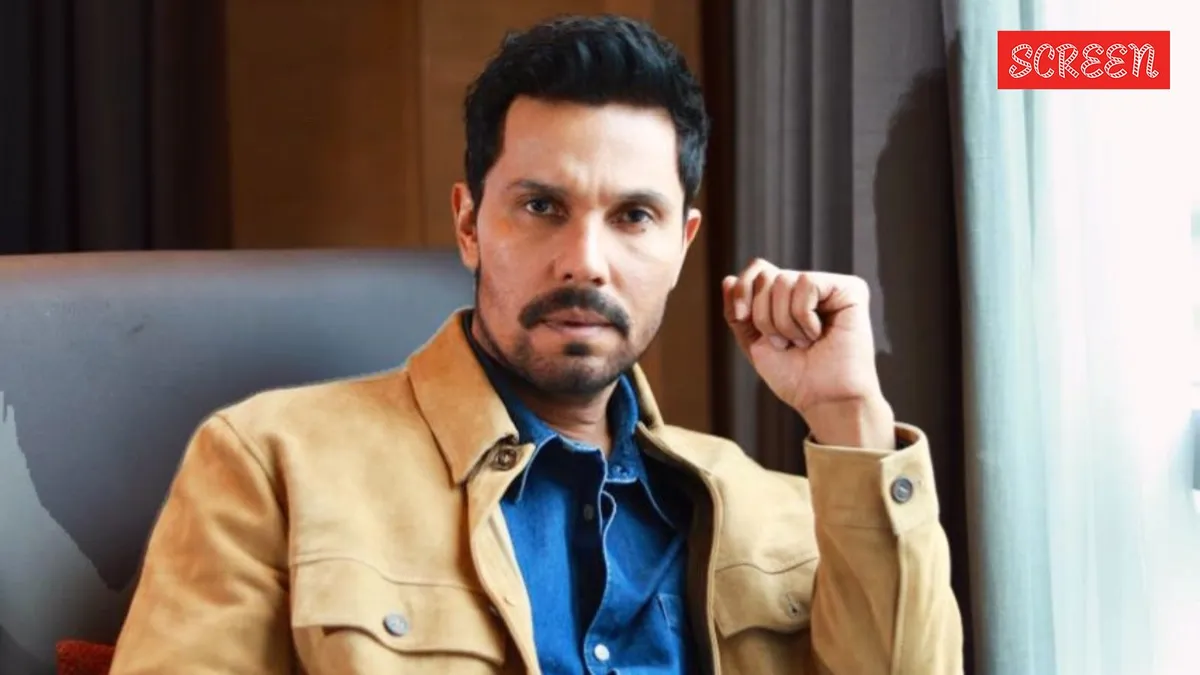
- Randeep’s big movie decision.
- Why he walked away from a huge part.
- What this means for big historical films.
Okay, BuzzMedia fam, get ready for some real talk! We just got the scoop. Randeep Hooda. He’s a name we all know, right? Well, he just made a really big call. About a movie role. A huge one, actually.
He was asked to play Aurangzeb in the upcoming film, ‘Chhaava’. Imagine that! A deep, intense role. Very visual, full of historical weight. You can picture the rich colors, the elaborate costumes, the whole vibe of a period drama.
But he said no. N-O. He turned it down. This is the part that got us talking! Because, he felt it had “too much Hindu-Muslim narrative.”
He told everyone he’d rather tell stories that bring people together. Not stories that push them apart. That’s a strong statement. It makes you think about the aesthetic of storytelling itself. Are we choosing narratives that feel sharp and divisive, or ones that flow with a softer, more inclusive visual?
It’s kind of like how everyone’s buzzing about different things right now, from Rupali Ganguly and Gul Panag speaking up about that viral video, to what Bal is posting online. People are making choices. Speaking their minds.
Even Shwetha Menon has been speaking out amidst the AMMA mess, feeling pushed around. It seems like stars everywhere are standing their ground. It’s a whole mood!
Randeep’s decision definitely adds to that conversation. It’s not always about the big role or the huge paycheck. Sometimes it’s about the message, the vibe, the overall picture you want to paint on screen.
Our Take
We think Randeep’s move is super interesting. It really shows how actors are thinking deeply about the stories they choose to tell. It’s not just about acting. It’s about the impact. The feeling. The overall visual and emotional message.
Choosing roles isn’t just about the script anymore. It’s about the larger conversation, the ‘aesthetic’ of the entire film. And honestly? That’s pretty cool. It makes us think about what kinds of narratives we, as an audience, really want to see.