Tovino Thomas often faced rejections for ‘not looking Malayali enough’; was ‘insulted at every turn’: ‘Met fake directors who demanded money for roles’
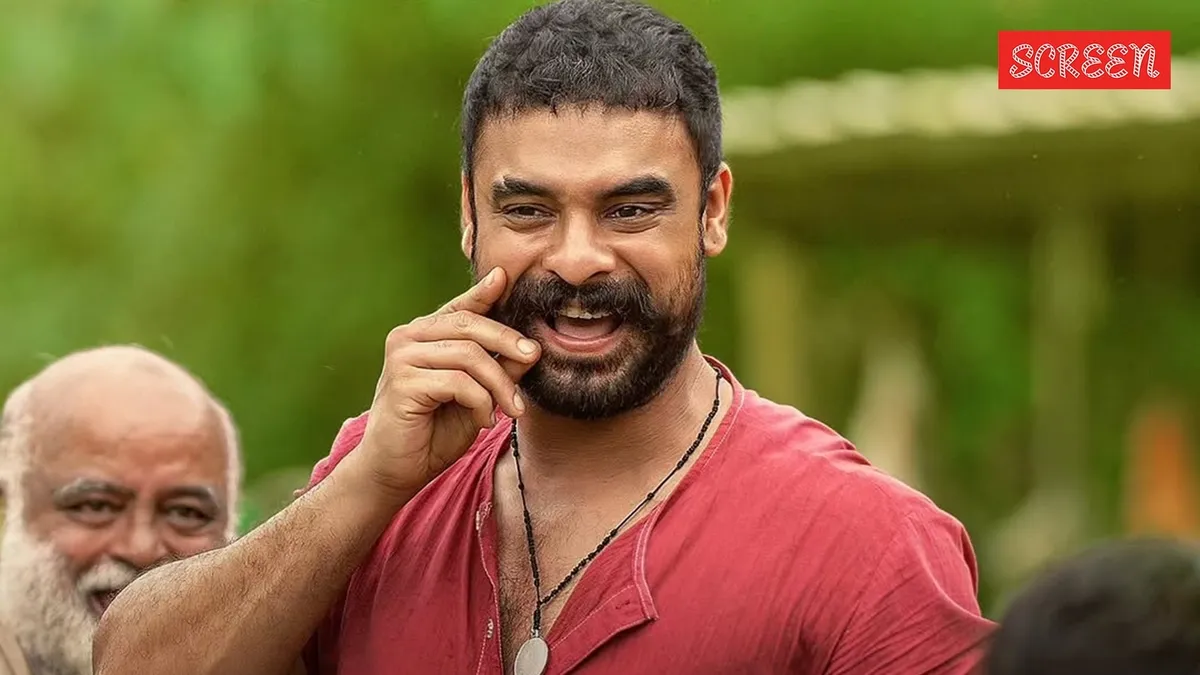
Tovino Speaks Out: Rejections & Scams
Tovino Thomas, now a household name, faced a brutal entry into cinema. He wasn’t always the acclaimed star. Early days were riddled with humiliation. He was rejected, often. The reason? “Not looking Malayali enough,” he revealed. An absurd metric for talent, yet a pervasive one.
He called it being “insulted at every turn.” Think about that. A performer of his calibre, dismissed over arbitrary physical traits. It’s a stark reminder of the industry’s superficiality.
But the rejections weren’t just about looks. Thomas also encountered a darker side: “Met fake directors who demanded money for roles.” This isn’t just a grievance; it’s a systemic problem. Newcomers are routinely exploited. Their dreams, monetized.
This isn’t an isolated incident. Here’s the reality: The film industry, particularly at its entry level, remains a minefield of gatekeepers and con artists. Tovino Thomas is just one of many voices. His candour pulls back the curtain.
The Big Picture: Industry’s Dark Underbelly
Perpetual Gatekeeping & ‘Lookism’
Tovino’s experience highlights a persistent, ugly truth. “Lookism” is rampant. The idea that there’s a specific “Malayali look” for actors is deeply problematic. It stifles diversity. It alienates huge swathes of potential talent. This isn’t exclusive to Malayalam cinema; it echoes across regional industries. It creates an exclusionary club, often based on outdated aesthetics or even casteist undertones, rather than pure acting prowess.
We’ve seen actors struggle with narratives imposed upon them. Whether it’s Ravi Kishan addressing labels on films or the constant battle for authentic representation, the pressure to conform is immense. It’s about more than just appearance; it’s about fitting a predetermined mold.
The Scammers’ Playground: Demanding Money for Roles
The “fake directors” demanding money is another symptom of a dysfunctional system. It’s a casting couch, but for cash. Young aspirants, desperate for a break, become easy targets. They invest their meager savings, their hopes, into fraudulent promises. This exploitation isn’t accidental; it’s predatory. It thrives on the unregulated nature of casting processes and the sheer volume of hopefuls.
This scam culture undermines legitimate opportunities. It tarnishes the reputation of genuine filmmakers. It’s a barrier for working-class talent, making entry even harder. The industry must address this. Transparency is needed. Regulation, perhaps. Otherwise, stories like rumours around established stars like Trisha Krishnan, while different, still point to an industry fraught with speculation and unspoken pressures. The journey is never easy, at any level.
Tovino Thomas overcame these hurdles. Many don’t. His story isn’t just personal revelation. It’s a call to scrutinize the systemic issues that continue to plague aspiring artists. Pay attention.


Leave a Comment