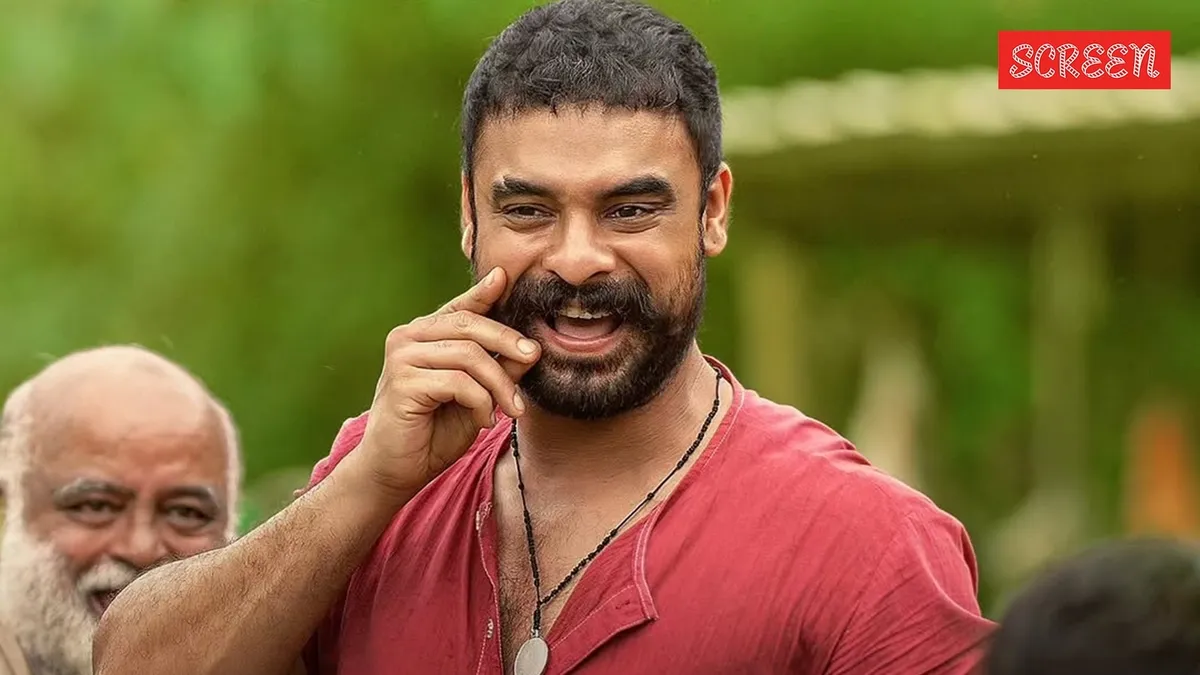
Rajesh Kumar’s Debt Reduction
Rajesh Kumar, known for his work in shows like ‘Sarabhai vs Sarabhai,’ faced a staggering Rs 2 crore debt. That’s a massive figure. Now, the actor confirms it’s down to a far more manageable Rs 20 lakh.
A significant win. But it wasn’t a solo act. His sisters, reportedly abandoning high-paying international careers, returned to India. They joined his farming business. This isn’t just a casual pivot. This is a full-blown family effort to reclaim financial stability.
Here’s the reality: Rs 2 crore is a burden capable of crushing careers. Even those with residual fame. The pressure is immense. It highlights a silent struggle many actors face. The public sees the premieres, not the balance sheets. Remember how Kashmera Shah handled perceptions around her early struggles? This is a different kind of public disclosure, far more raw.
The pivot to farming is interesting. Not exactly the typical celebrity endorsement deal, is it? It implies a deep commitment, and perhaps, a disillusionment with traditional routes to wealth recovery in the entertainment sector.
The Big Picture
This isn’t just about Rajesh Kumar. It’s a mirror held up to the industry. Celebrity debt is an open secret. The projects aren’t always steady, expenses mount, and the façade of success often masks considerable financial strain. This story breaks through that. It shows the gritty reality behind the curtain.
Look at the dedication involved. Sisters leaving high-paying jobs abroad for a farming business? This signals extreme family loyalty and belief in a shared vision, born out of necessity. It’s an old-school support system in a modern, often isolating, industry.
What does it tell us about career longevity and the perceived safety net of fame? Not much comfort. It underscores that even known faces aren’t immune to financial precipices. It shows grit, resourcefulness, and a willingness to step entirely outside the celebrity comfort zone. This could be a template for other struggling artists looking for a genuine, sustainable path forward, rather than fleeting opportunities. It’s sweat equity. It’s the long game.