Paresh Rawal calls social media a ‘puking pot’: ‘Negativity shouldn’t be..’
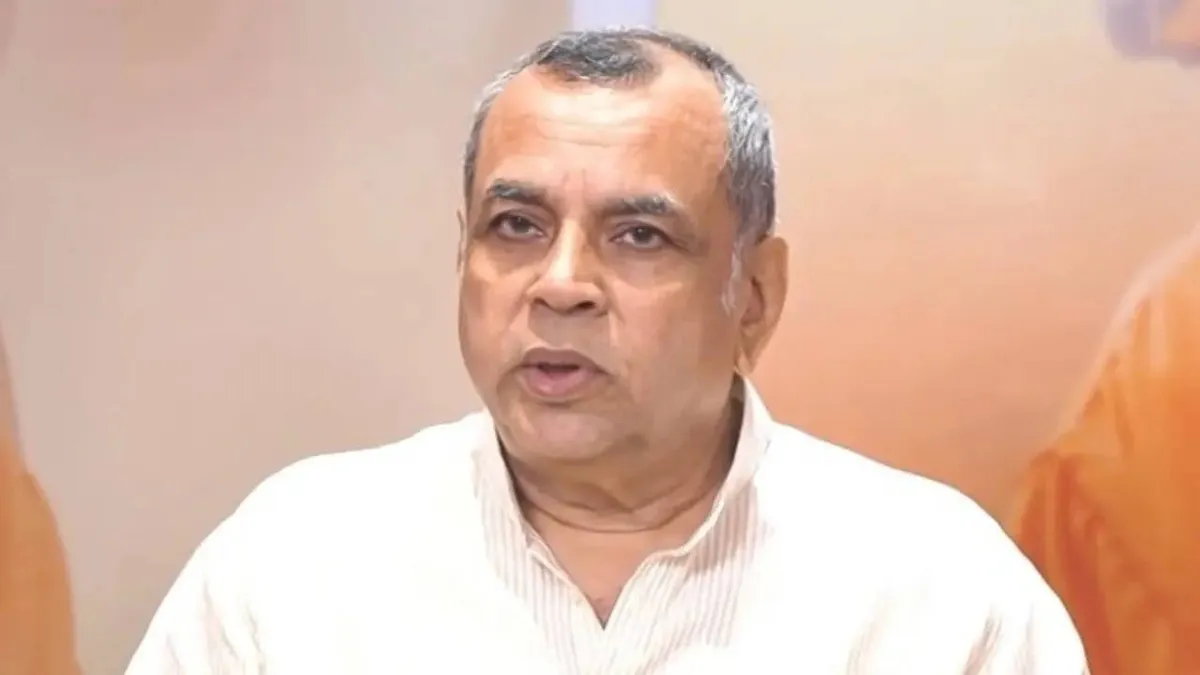
Table of Contents
Rawal on Social Media Toxicity
Veteran actor Paresh Rawal isn’t holding back. He recently labelled online platforms a ‘puking pot’, a space where unchecked negativity festers. Strong words. Rawal stresses the absolute lack of right for anyone to “demean or tarnish others’ images” online. He admits to moments of anger, sure, but maintains a grip. Self-control is key, he says, avoiding abuse himself.
This isn’t just a casual observation. Rawal’s critique isn’t new; he’s been vocal about the issue before, as seen in his earlier comments calling social media a ‘Puking Pot’. He clearly sees a systemic problem.
On a brighter note, Rawal also gave a nod to the film ‘Dhurandhar’, praising its detailed narrative and entertainment value. His praise for films like ‘Dhurandhar’ (which, by the way, saw significant box office success) underscores the contrast between curated entertainment and chaotic online interactions.
The Big Picture: Why It Matters
Paresh Rawal’s ‘puking pot’ analogy hits hard, precisely because it resonates. This isn’t just one actor complaining; it’s a reflection of a wider industry fatigue with online toxicity. Here’s the reality: social media was sold as direct fan engagement. Instant connection. What we got was often a free-for-all, a digital coliseum for anonymous attacks.
Look at the impact. Celebrities, public figures, even studios now factor potential online backlash into every move. PR teams are overloaded. The personal toll is immense. How many careers have been unfairly scarred by a mob mentality? Too many. Rawal’s insistence on personal accountability – not demeaning others – points to a fundamental shift in digital etiquette that simply hasn’t occurred. People hide behind screens. They unleash venom. The consequences for the targets are real. This isn’t just about ‘cancel culture’; it’s about basic human decency evaporating in the face of perceived anonymity.
For an industry built on public image, this environment is unsustainable. It forces a retreat, a professional distancing that defeats the original purpose of these platforms. Rawal’s comments are a stark reminder: the honeymoon phase with social media is long over. Now, it’s about survival. And maybe, just maybe, demanding better from the platforms themselves.

Leave a Comment