Table of Contents
Tiger Shroff Opens Up About Struggling with Aerophobia; Says He Starts Feeling Anxious a Couple of Days Before Every Flight: ‘It’s Frustrating’
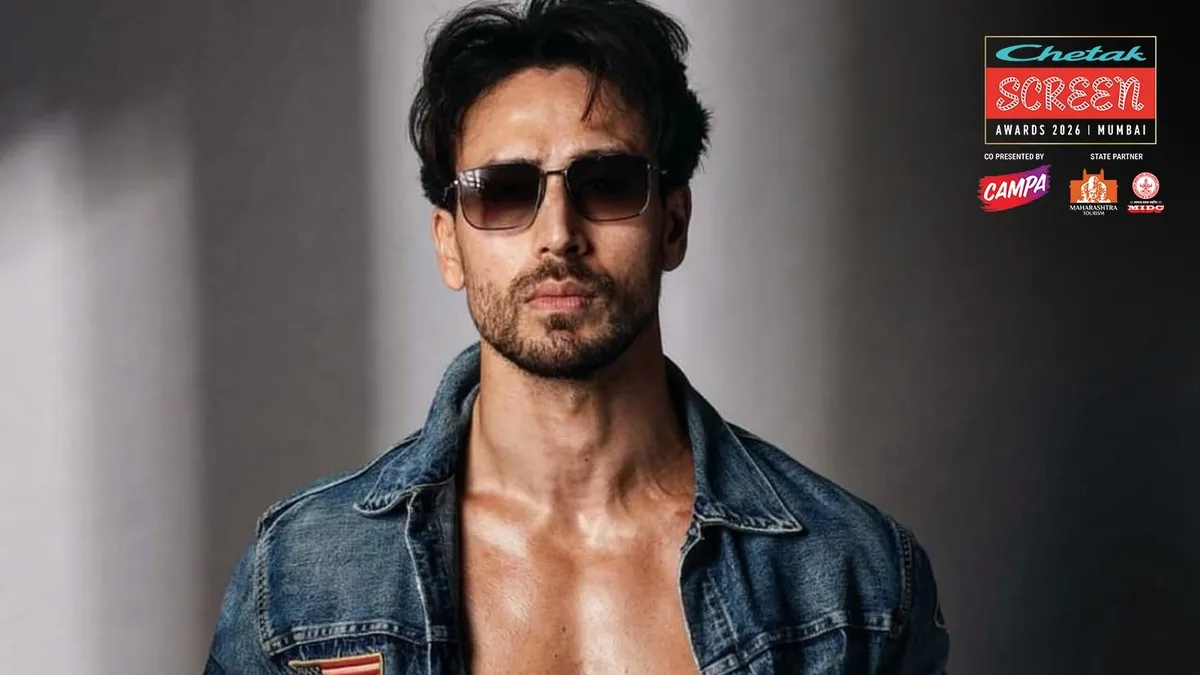
In a candid confession that’s resonating with many, Bollywood actor Tiger Shroff has revealed his ongoing battle with aerophobia – the fear of flying. The Heropanti star shared that the anxiety begins days before he’s even due to board a plane, a sentiment that’s both relatable and, for him, deeply frustrating.
Shroff detailed his struggle in a recent interview, admitting that the fear is a constant companion for any travel that involves air transit. It’s not just a mild discomfort; the anxiety builds, impacting his peace of mind long before the journey commences. This vulnerability from a seemingly fearless action hero is a stark reminder that even those in the public eye grapple with internal challenges.
His openness sheds light on a condition that affects a significant portion of the population, yet is often met with misunderstanding or dismissal. For someone whose career necessitates frequent travel, be it for film shoots, promotional tours, or personal reasons, managing aerophobia presents a unique and persistent hurdle. It’s a quiet fight, often hidden behind a polished public persona, much like the dedication required for success in the demanding world of cinema, a field where actors like Arjun Rampal have also spoken about the importance of patience and perseverance amidst their projects.
The Big Picture: Celebrity Mental Health and Public Perception
Tiger Shroff’s disclosure about his aerophobia isn’t just a celebrity anecdote; it’s a significant piece of the larger conversation around mental health in the public sphere. Historically, there’s been an unspoken expectation for public figures, especially those in physically demanding roles like Shroff’s, to project an image of unwavering strength and invincibility. Any perceived vulnerability was often seen as a weakness, a chink in the armor that could be exploited or, worse, dismissed. This has created a culture where many celebrities have felt compelled to hide their struggles, fearing professional repercussions or public judgment. The rise of platforms like social media has, paradoxically, both amplified these pressures and, in some cases, provided a space for more authentic sharing. When prominent figures like Shroff speak out, it chips away at the stigma. It normalizes the idea that mental health challenges are not a sign of personal failure but a part of the human condition, regardless of one’s profession or fame. This is crucial. It encourages others, both within and outside the industry, to seek help without shame. The impact is tangible: increased awareness can lead to greater empathy, more resources dedicated to mental wellness within entertainment organizations, and ultimately, a healthier environment for everyone. It’s a step towards a more humane and understanding industry, where resilience is not just about enduring hardship, but also about having the courage to address and manage one’s internal battles, much like how the unwavering support of fans can sometimes be seen as a ‘lucky charm’ for their favorite teams, as witnessed with Sonal Chauhan’s association with the Mumbai Indians.