The Locker Room Jibe
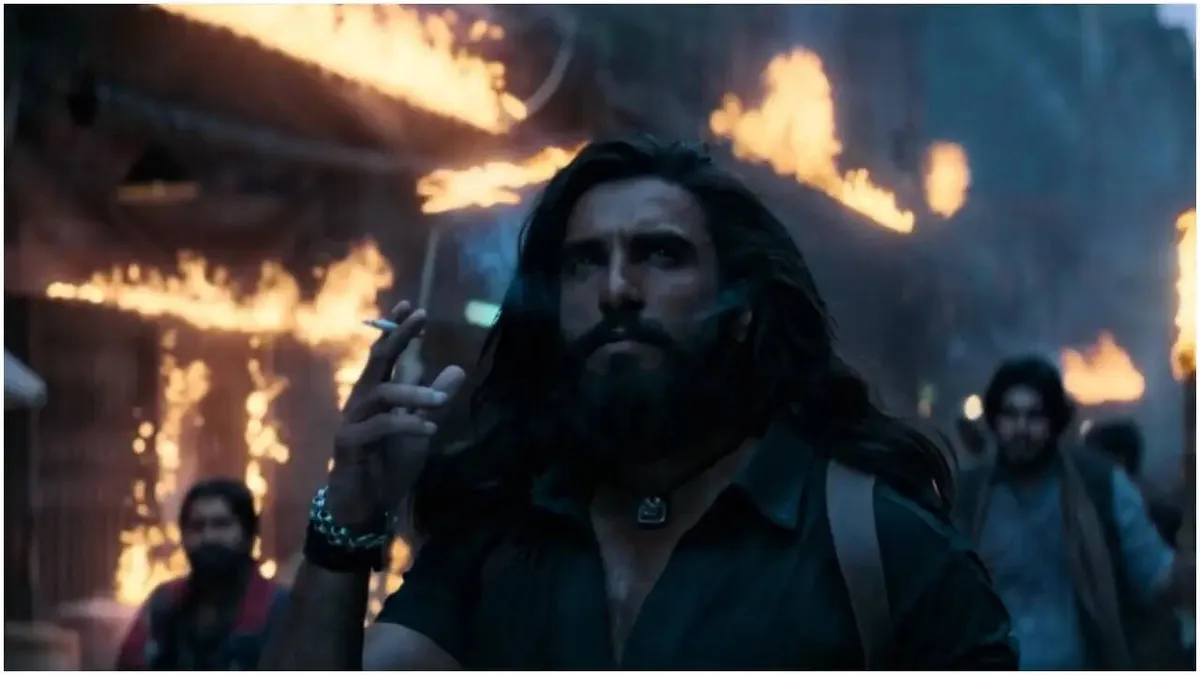
Mumbai Indians’ star batsman Suryakumar Yadav recently targeted teammate Jasprit Bumrah with the viral ‘Dhurandhar 2’ dialogue. This wasn’t some off-the-cuff remark. It happened in the locker room, post-win, a deliberate, playful jab referencing a character who “doesn’t miss home.”
Here’s the reality: this specific meme first gained traction when Bumrah’s wife shared it. The Mumbai Indians franchise then strategically wove it into their own promotional material. So, Yadav’s tease isn’t just banter; it’s a reinforced marketing beat. It’s brand synergy, pure and simple. Modern sports franchises understand cultural currency. They know that what resonates offline, online, will eventually echo back. This isn’t merely about wins and losses; it’s about narrative control, about crafting relatable, shareable moments. Look at the numbers. These interactions generate massive engagement, often more than official press releases ever could. It’s a shrewd tactic.
The scene: a jubilant Mumbai Indians changing room. The target: Jasprit Bumrah. The instigator: Suryakumar Yadav. The weapon: ‘Dhurandhar 2’. A simple line, yet loaded with context. It’s a callback to Bumrah’s own public narrative, spun initially by his wife, then amplified by the team’s PR machinery. Smart play. This kind of organic (or seemingly organic) celebrity interaction builds connection with the fanbase. Much like the ongoing chatter around projects such as Ranbir Kapoor’s Ramayana, public figures understand the power of a shared cultural touchstone, even a meme.
The Big Picture
This isn’t just about cricketers having a laugh. This is about the precise, calculated integration of pop culture into mainstream sports branding. For years, sports teams relied on on-field performance and traditional advertising. No longer. We’re seeing a shift towards leveraging individual athlete personalities and viral content. When Suryakumar Yadav references a meme associated with Jasprit Bumrah, it creates an instant, relatable connection for millions of fans. It humanizes the athletes. It makes the team more accessible.
Consider the broader implications. This isn’t unique to cricket. Every major sports league, from the NBA to the Premier League, is actively cultivating athlete “brands” that transcend the game itself. These viral moments, however lighthearted, contribute directly to that brand equity. They’re shareable content. They’re fan engagement drivers. They’re free advertising. The ‘Dhurandhar 2’ meme, in this context, becomes a micro-campaign, showcasing how teams are now adept at harnessing internet culture to stay relevant and deeply embedded in the public consciousness. It reflects a sophisticated understanding of how modern media consumption works: short, sharp, and highly contextual. It’s not just a game anymore; it’s a content factory.