The Ghaziabad Disruption: Apology Issued
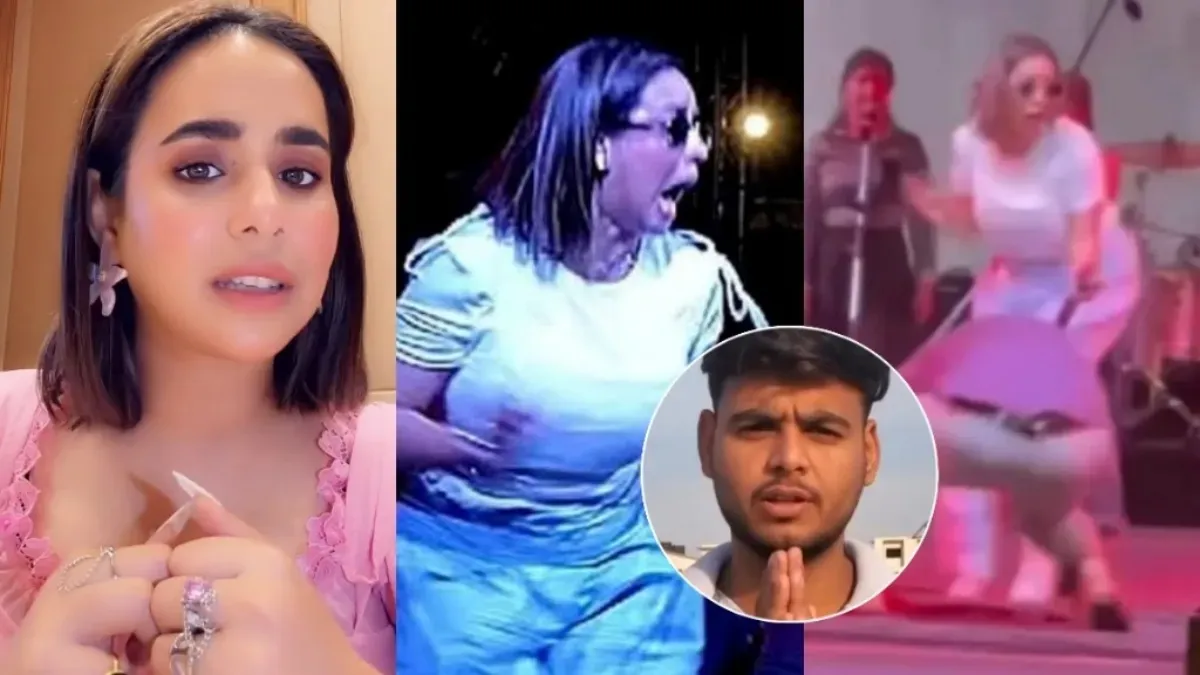
Sunanda Sharma’s recent concert in Ghaziabad descended into disarray. A student, unidentified but now infamous, disrupted her live show. Immediately. The performance halted. Now, that same individual has issued a public apology. Expressing deep regret. Standard playbook, really.
This isn’t just a minor blip. An artist’s stage is sacred. It’s their workspace. The audacity of some attendees, frankly, beggars belief. Is it misguided enthusiasm? Or a genuine lack of respect for performance spaces? Here’s the reality: live event security needs re-evaluating. Every single time.
The quick apology is smart. PR teams work overtime. But it doesn’t undo the moment. It doesn’t erase the violation. We’ve seen similar challenges at other high-profile events. Managing fan interaction, especially with public figures, is a constant battle. Think about the careful planning that goes into even a red carpet event, where crowd control is paramount for Chetak Screen Awards 2026 red carpet appearances. The stakes are always high for an artist’s public image and the audience experience.
The Big Picture: More Than Just One Show
This Ghaziabad incident? It’s a symptom. Not an isolated event. The broader live music industry struggles with audience decorum. Social media blurs the lines. Fans feel a manufactured intimacy with artists. This often translates into entitlement. They believe they own a piece of the show. Or the performer. It’s a dangerous precedent.
Event promoters face immense pressure. Balancing accessibility with security is a tightrope walk. The financial implications of disrupted shows, cancellations, or even potential harm to artists are significant. Legal action isn’t off the table in such scenarios. Look at the numbers: incidents like these are increasing, not decreasing. Artists deserve safe spaces. Audiences deserve an uninterrupted experience. This requires stricter enforcement, clearer boundaries, and perhaps, a re-education of concert etiquette. The public apology is fine, but the underlying issue of unchecked fan behavior at live events remains a deep, festering wound for the industry. It’s about performer safety. It’s about the integrity of the live act itself.