The Controversy
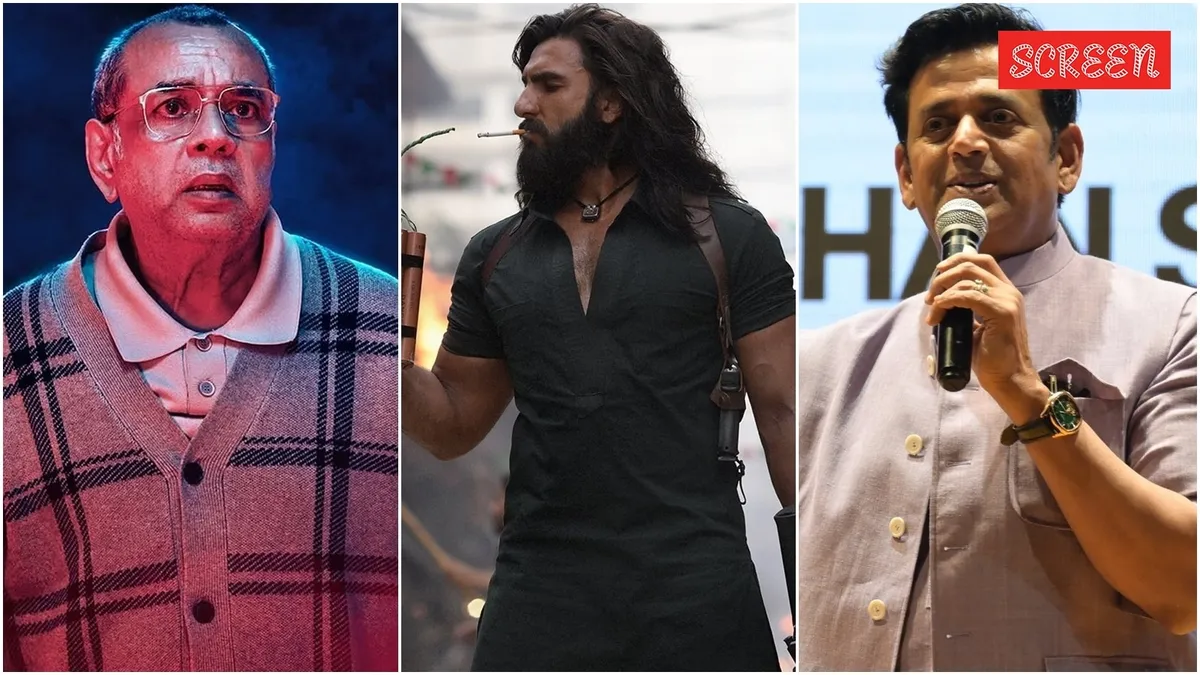
Ravi Kishan, the actor and politician, has had enough. He’s slamming critics who are labeling certain films as “propaganda.” It’s a fiery retort. These films, he argues, aren’t pushing an agenda. They’re telling stories.
Kishan’s Stance
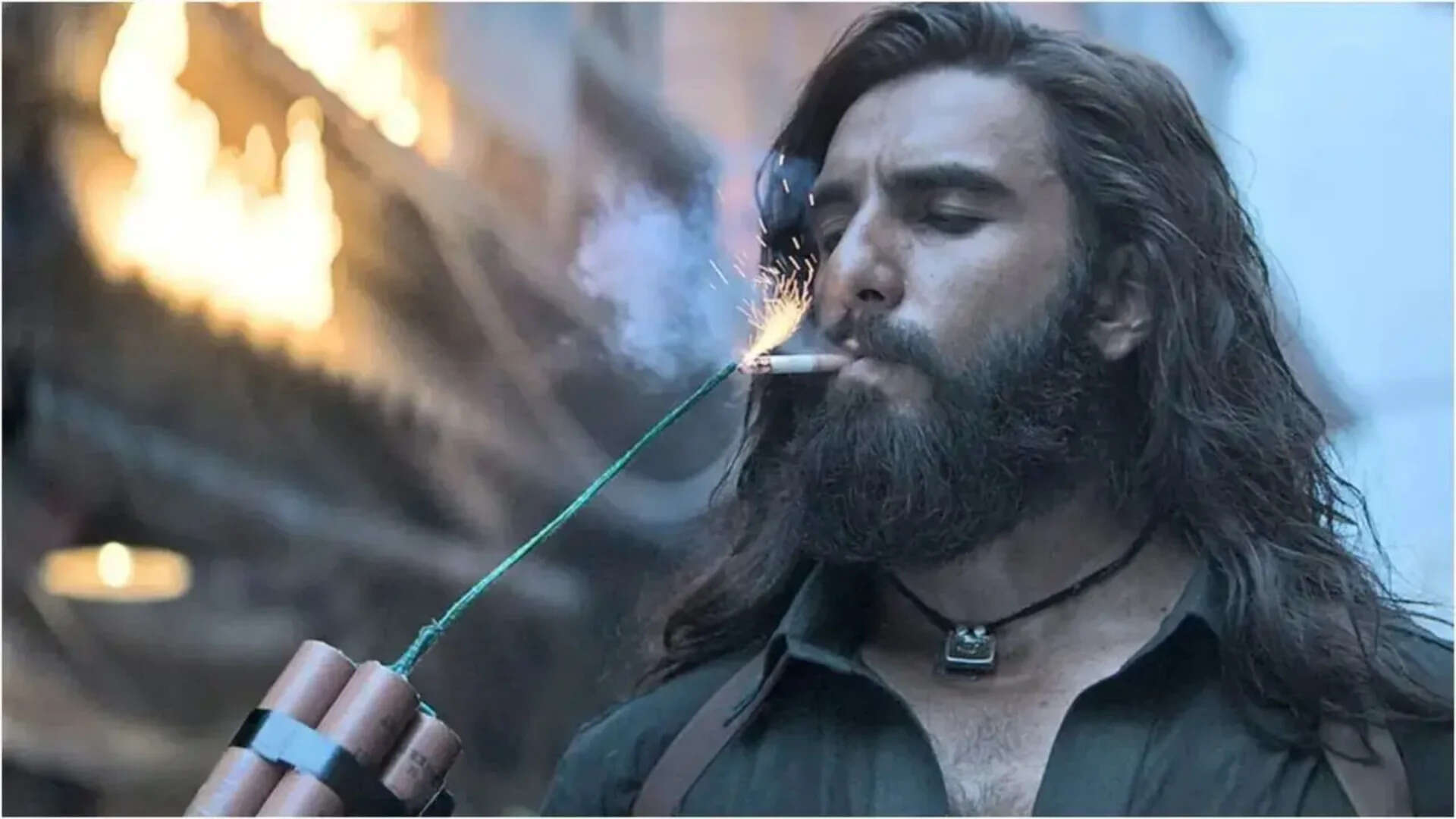
“Dhurandhar” films, as some are calling them, are being misunderstood. Kishan’s defense is direct. He believes these films are about showcasing realities, not distorting them. It’s a strong defense. He’s essentially saying, stop labeling art. Let it breathe. This isn’t a new debate, of course. We saw similar discussions around films like ‘The Kashmir Files’. Even Trisha Krishnan recently shared cryptic posts touching on self-worth, a sentiment that perhaps resonates with artists feeling misunderstood. (https://buzzmediatimes.com/trisha-shares-cryptic-posts-on-love-peace-and-self-worth-love-is-not-everything-and-yet-everything-is-meaningless-without-love/)
Rawal’s Reaction
Then there’s Paresh Rawal. A veteran actor. He’s chiming in with a characteristic wry remark. “Mujhe hona chahiye tha ismein,” he stated. Meaning, he wishes he’d been a part of these films. This isn’t just a casual comment. It signals his solidarity with Kishan’s viewpoint. It implies he sees value in these projects. Value that critics are conveniently ignoring. It’s a subtle endorsement. He understands the filmmaking process. He knows good cinema when he sees it, or rather, wishes he was in it.
Why It Matters
Here’s the reality. The film industry is a powerful narrative engine. When films are labeled as mere “propaganda,” it stifles creative expression. It’s a dangerous path. It suggests artistic intent is secondary to perceived political messaging. This debate isn’t just about a few movies. It’s about the freedom of filmmakers to explore complex themes. It’s about the audience’s right to interpret. Kishan’s outburst highlights a growing frustration among artists. They feel their work is being weaponized. Rawal’s support adds weight. It shows a united front among seasoned professionals. This kind of discourse can impact future projects. Will filmmakers shy away from controversial topics? Or will they push back, as Kishan is doing? The line between social commentary and propaganda is often subjective. But the chilling effect of outright labeling can be very real. It’s reminiscent of the anticipation surrounding the release of films like ‘Aakhri Sawal’, where the artistic merit and messaging are often debated intensely even before the audience gets to see it. (https://buzzmediatimes.com/aakhri-sawal-release-date-national-award-winning-filmmaker-abhijeet-mohans-film-gets-releases-on-this-date/)