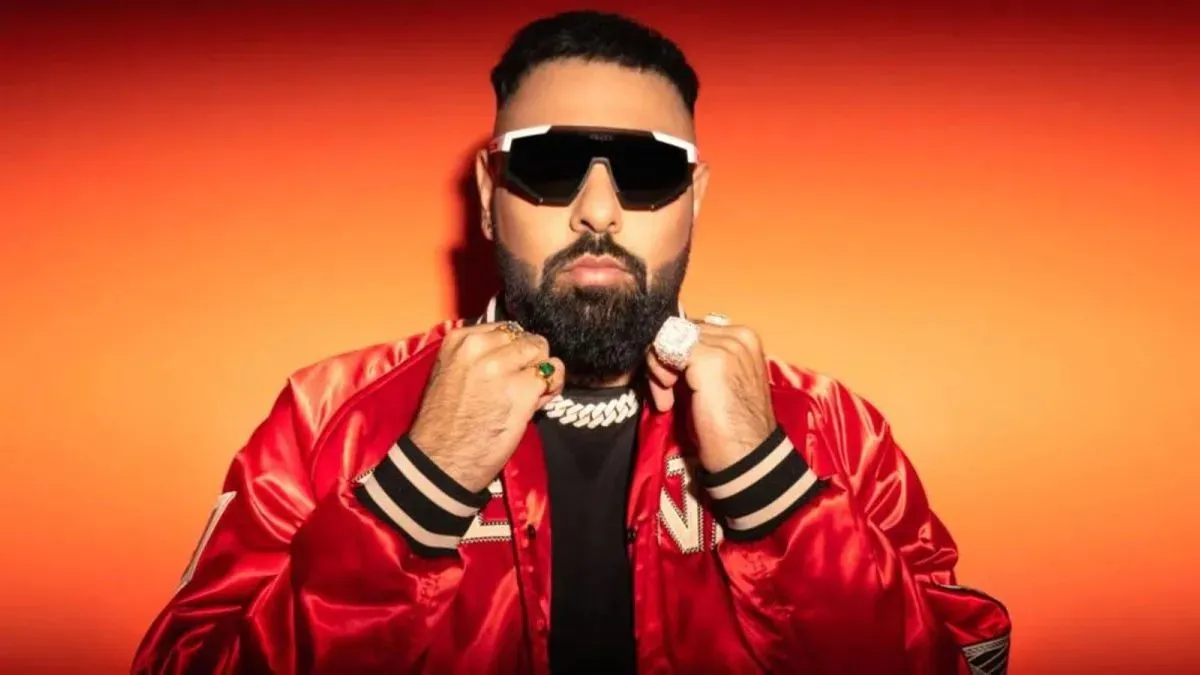
Badshah, the popular rapper, has formally apologized to the National Commission for Women (NCW). This move follows the brewing “Tateeree” controversy. Beyond the apology, he’s pledged significant support: funding education for fifty girls and backing women’s welfare initiatives. This isn’t just PR. It’s damage control.
The NCW had previously taken notice. A strong message was sent. Now, Badshah acts. This public penance underscores a growing trend. Celebrities face increased scrutiny. Their content. Their impact.
Here’s the reality: Social media amplifies everything. Backlash is instant. For artists like Badshah, whose appeal often hinges on a certain edgy image, these moments can be reputation-defining. The industry, frankly, has been slow to adapt. We’ve seen similar pressure on public figures regarding their perceived missteps or controversial content. Look at the numbers. Brand endorsements, concert revenues – they all take a hit when public sentiment sours.
Badshah’s response includes a tangible commitment. Fifty girls’ education. Women’s welfare. This isn’t just talk; it’s a financial outlay. Whether this genuine remorse or a calculated maneuver to rehabilitate his image remains up for debate. But it sets a precedent.
The Pressure on Public Figures
The public square demands accountability. Artists, once almost untouchable, now operate under a microscope. This isn’t unique to music. Bollywood, too, grapples with changing expectations. For instance, the discussion around how actors manage their public image and the narratives they support is ongoing, as seen with discussions around actors like Ranveer Singh and his film successes, like how Mrunal Thakur recently praised him amid Dhurandhar’s success, highlighting the positive impact of a strong public persona.
The Big Picture: Why It Matters
This isn’t just about one rapper. It’s bigger. The Tateeree row, and Badshah’s subsequent actions, reflect a significant shift in India’s entertainment ecosystem. For too long, segments of the industry operated with an unspoken immunity from social critique, particularly concerning lyrical content that some found misogynistic or objectifying. The NCW’s direct intervention signals a hardening stance from regulatory bodies and civil society groups. This is a red flag for content creators.
Historically, celebrity controversies often ended with vague apologies or silence. Badshah’s specific commitment – sponsoring girls’ education – adds a new dimension. It pushes the standard beyond mere words to direct, tangible social investment. This could well become the playbook for future celebrity missteps. Future artists, record labels, and content platforms will now need to factor in potential social repercussions and proactive corrective measures. This incident won’t single-handedly rewrite the rulebook, but it certainly adds another critical chapter to the conversation about artistic freedom versus social responsibility. It forces a conversation about the kind of messaging the music industry puts out, and who bears the cost when that message is deemed harmful.