- Ram Gopal Varma’s Scathing Critique
- The Industry’s Blind Spot?
- The Big Picture: Why This Silence Speaks Volumes
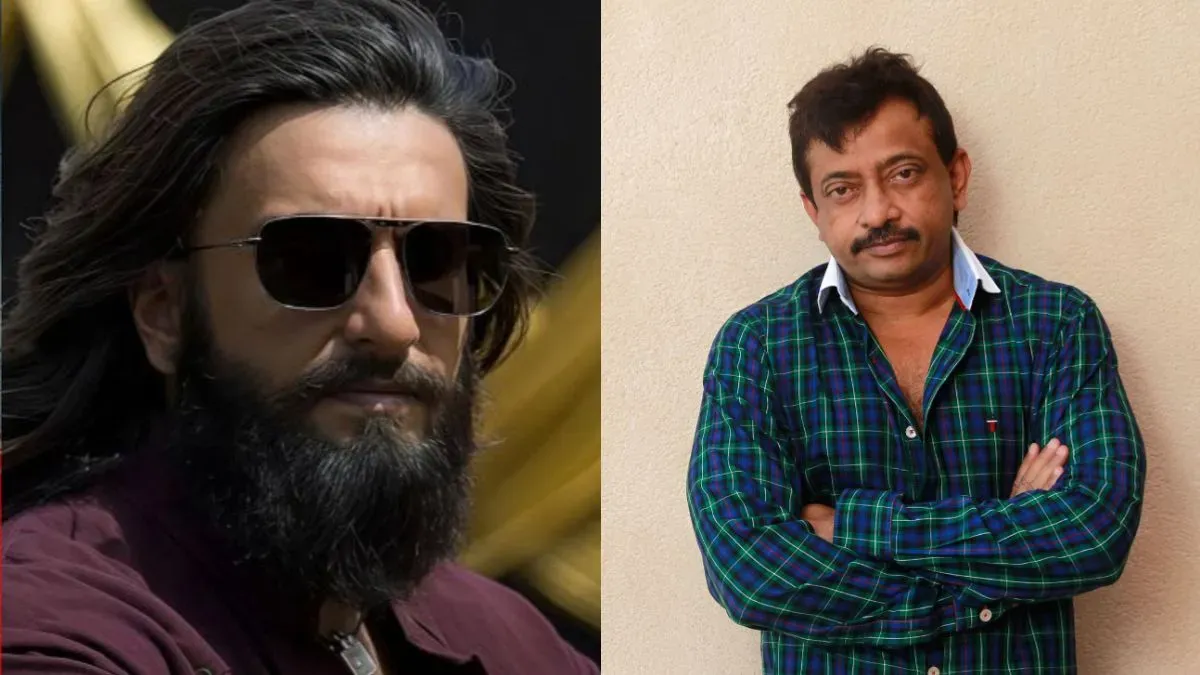
In a cinematic landscape often accused of being out of touch, a thunderous success like Dhurandhar: The Revenge (Dhurandhar 2) should, by all rights, be the talk of the town. Yet, the relative silence from Bollywood’s power brokers has drawn the sharp, critical eye of veteran filmmaker Ram Gopal Varma. He hasn’t just noticed; he’s issued a stark, unmistakable warning.
Ram Gopal Varma’s Scathing Critique
The numbers don’t lie. Dhurandhar 2 isn’t just a hit; it’s a phenomenon. The film, which recently minted over Rs 1350 crore in just 11 days, has clearly struck a nerve with audiences, both domestically and internationally. Its impressive run even saw it join ‘Project Hail Mary’ among the top 5 at the US box office, a feat few Indian films achieve with such speed.
But where’s the celebration? Where’s the deep dive into its unprecedented appeal? Ram Gopal Varma, never one to mince words, took to social media, lambasting the industry’s apparent indifference. “The deafening silence surrounding Dhurandhar 2‘s monstrous success is not just baffling; it’s dangerous,” Varma declared. He accused the establishment of being “too busy with their cocktail parties and self-congratulatory circles” to acknowledge a genuine, audience-driven triumph. His message was clear: this isn’t merely about one film; it’s about a fundamental shift, and ignoring it comes with severe repercussions.
The Industry’s Blind Spot?
This isn’t the first time a film with mass appeal, perhaps lacking “critical pedigree” by some narrow definitions, has shattered box office records while receiving a lukewarm reception from industry insiders. There’s a persistent, almost arrogant, tendency to dismiss films that resonate with the heartland as “flukes” or “massy” without delving into why they connect. Varma’s warning hits precisely at this nerve: the industry’s intellectual snobbery, he suggests, is creating a chasm between what they produce and what the audience truly craves. This isn’t just about financial gains; it’s about cultural relevance.
The Big Picture: Why This Silence Speaks Volumes
Let’s be brutally honest. Indian cinema, particularly the Mumbai-centric industry, has often operated within an echo chamber. For too long, narratives of artistic merit or critical acclaim were dictated by a select few, often disconnected from the pulse of the vast Indian audience. The monumental success of Dhurandhar 2 is not an anomaly; it’s a symptom. A symptom of a deeper, evolving relationship between content creators and consumers. Audiences, empowered by choice and digital literacy, are voting with their wallets and their time, not necessarily with their “critics’ scores.”
Varma’s warning, therefore, is not just a rant; it’s a strategic ultimatum. Ignoring Dhurandhar 2 isn’t just about disrespecting a successful film; it’s about willfully overlooking a seismic shift in audience preference. It’s about refusing to learn from a case study unfolding in real-time. This film’s triumph points to a resurgence of specific storytelling archetypes, often rooted in raw emotion, clear-cut heroism, and unadulterated entertainment, sometimes eschewing the nuanced, urban-centric narratives favored by a section of the industry. The industry, if it continues its insular approach, risks becoming irrelevant. It risks alienating the very audience it purports to serve. This is a crucial juncture. Adapt or be left behind. The writing is not just on the wall; it’s printed in massive, box-office-breaking numbers.