A Tragic Loss
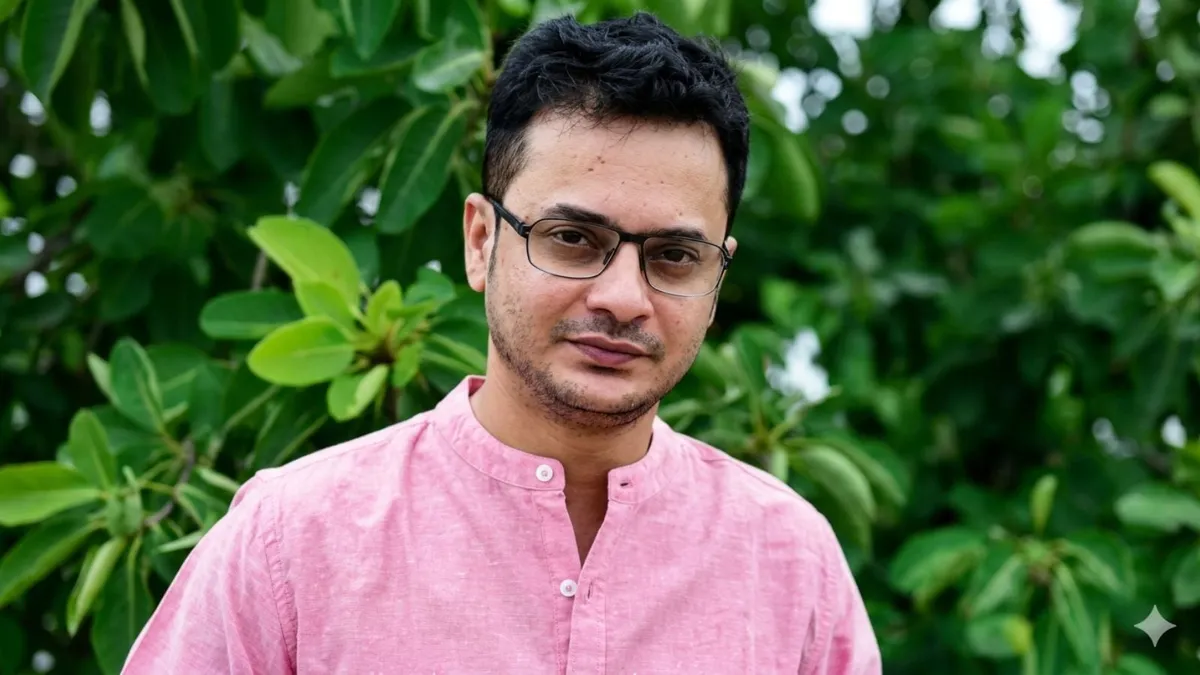
The Bengali film industry is reeling today from the devastating news of the untimely death of popular actor Rahul Arunoday Banerjee. His passing, under such tragic circumstances, has sent shockwaves through the nation and particularly West Bengal, where he was a beloved figure. It’s a grim reminder of the inherent dangers that can lurk even in seemingly routine professional environments. Banerjee, a vibrant presence on screen, was known for his versatile roles and passionate performances.
The Incident
Tragedy struck near Digha, a popular coastal town in West Bengal, where Banerjee was reportedly shooting. While details are still emerging, initial reports indicate that the actor drowned. The exact circumstances leading to the unfortunate incident are currently under investigation. This was a professional assignment, a typical day’s work for an actor of his stature, now tragically cut short.
Official Reactions
The gravity of the situation was underscored by the immediate reaction from West Bengal Chief Minister Mamata Banerjee. Expressing her deep sorrow, she described the actor’s death as a “great loss” for the film industry. Such pronouncements from the highest levels of state government highlight the significant cultural impact Banerjee had. It’s not just a personal tragedy; it’s a cultural void left behind.
The Big Picture
Rahul Arunoday Banerjee’s death is more than just the loss of a single actor; it’s a stark illumination of the often-unseen risks within the entertainment world. While we celebrate the glamour and the artistry, we too often overlook the physical demands and potential perils faced by those in front of the camera, especially during location shoots. This incident, unfortunately, echoes past tragedies in various creative fields. It brings to mind the meticulous planning and safety protocols that must be paramount, not just for star actors, but for every single crew member. The industry, particularly regional cinema like Bengali films, operates on tighter budgets and sometimes less stringent safety oversight compared to its Hollywood or even its more established Bollywood counterparts. The fact that this occurred during a shoot, a controlled environment, is particularly galling. We’ve seen discussions about on-set safety emerge periodically, often in the wake of accidents. Films like ‘Dhurandhar 2’ sometimes showcase grand action sequences, but the reality of filmmaking often involves less dramatic, yet still potentially hazardous, environments. This event will undoubtedly spark renewed conversations about production safety, risk assessment, and the welfare of performers and crew alike. It forces us to confront the human cost behind the silver screen, reminding us that behind every flawless performance, there is a human being with vulnerabilities. We saw a similar spotlight on behind-the-scenes dynamics when Shirani of ‘Dhurandhar’ called director ‘Aditya DhuranDHAR’ – while not a safety issue, it highlighted the intense pressures within production. The question now is whether this tragedy will lead to lasting change or simply become another regrettable footnote in the annals of show business. It’s a somber moment that demands introspection from producers, directors, and regulatory bodies alike, pushing for a more robust safety culture across the board, akin to the stringent quality checks discussed even in unrelated fields like ensuring authentic game cartridges.