AI’s Digital Ghost: Sushant Singh Rajput’s Sister Speaks Out on Lord Ram Images
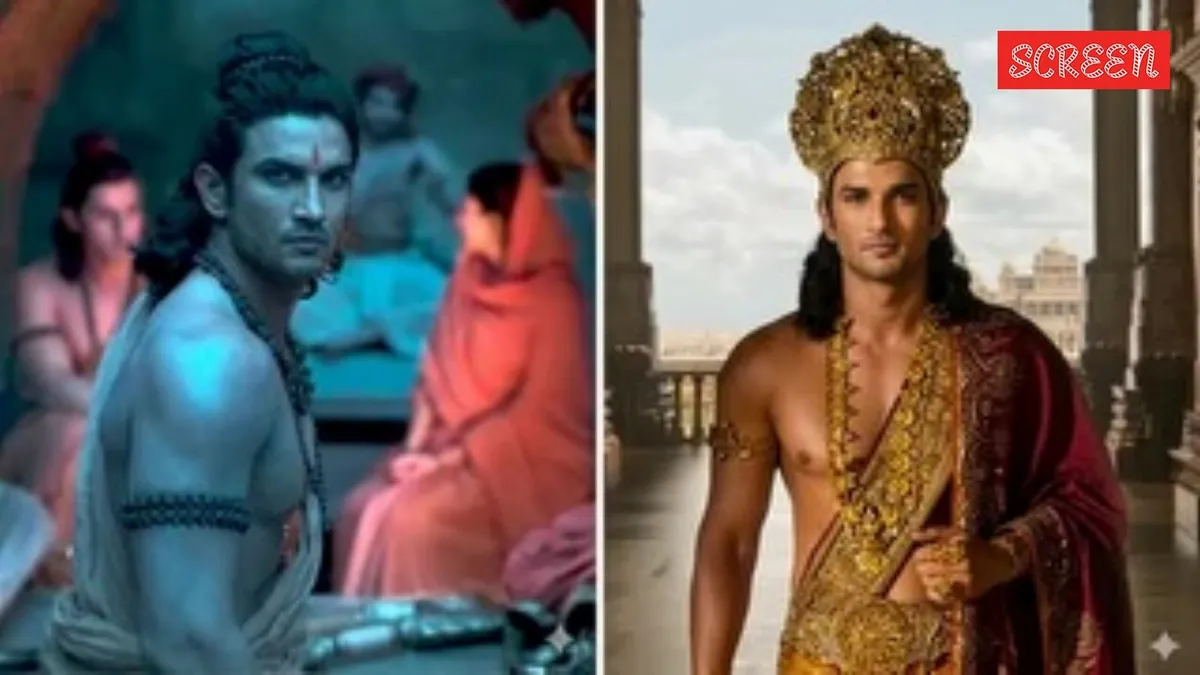
Sushant Singh Rajput’s sister, Shweta Singh Kirti, has publicly reacted to AI-generated images depicting the late actor as Lord Ram. She stated that “Nobody could play it as beautifully as Bhai.” These AI creations have been circulating online, sparking discussion about the use of artificial intelligence in memorializing public figures.
The images surfaced recently, prompting Kirti’s emotional response. It highlights a growing trend where AI is used to create hyper-realistic visuals of deceased celebrities. This technology allows fans to imagine their idols in new roles or scenarios, blurring the lines between reality and digital fantasy. The emotional impact on families and the ethical implications of such digital replicas are becoming increasingly prominent.
Look at the numbers. The digital afterlife is a real market. This isn’t just about fan art anymore. It’s about recreating personas, and the legal and emotional ramifications are immense. We saw a similar ethical tightrope walked when discussing the creation of new content from deceased artists in the music industry. This is just the next frontier for digital mimicry.
The Big Picture
The proliferation of AI-generated imagery, particularly of deceased celebrities, raises profound questions about grief, memory, and digital rights. For families, seeing a loved one’s likeness digitally resurrected can be both a comfort and a profound intrusion. This phenomenon forces us to confront how we process loss in an age where digital ghosts can be conjured with alarming ease. The industry, particularly in Bollywood, is not yet equipped to handle the legal and emotional complexities of AI-driven posthumous appearances. Consider how, in a different context, the ability to transform entire cities digitally, as seen in productions like ‘How ‘Dhurandhar 2’ turned Mumbai into Pakistan,’ demonstrates the power of AI in visual storytelling, but here, it touches on something far more personal and sensitive.
Furthermore, this trend could set a precedent for how public figures’ digital legacies are managed. If AI can convincingly portray actors in roles they never played, what does that mean for their actual filmographies and artistic contributions? Will future actors have to contend with AI versions of themselves, potentially overshadowing their real work? The conversation around digital representation is no longer confined to the realm of science fiction; it’s a present-day reality that demands careful consideration. This is a complex issue, much like the challenges faced by those launching new creative ventures, as seen with Dan Levy’s premiere of ‘Big Mistakes’. The stakes are different, but the need for careful curation and ethical consideration is universal.