- Introduction
- The Government’s Bold Declaration
- Cinema: A Mirror to the Maoist Movement
- The Big Picture: Why It Matters
Newton, Chakravyuh, Red Alert: 16 Films That Explored Naxalism As Govt Signals End
India’s government is signaling victory. A stark declaration: Naxalism, that decades-long internal insurgency, is on the brink of extinction. The narrative is clear – development, infrastructure, and rehabilitation have triumphed in former strongholds, pushing the Maoist threat to its last gasp. It’s a powerful statement, an assertion of peace and progress. But for those of us who scrutinize the details, who understand the complex tapestry of India’s socio-political landscape, the question isn’t just *if* it’s ending, but *what* exactly is ending, and what narratives are we choosing to remember, or perhaps, conveniently forget?
The Government’s Bold Declaration
The numbers are compelling. Officials point to a dramatic reduction in Naxal-related violence, a shrinking geographical footprint, and an increasing number of surrenders. Roads now cut through once-impenetrable forests. Schools stand where insurgent training camps once operated. The former “Red Corridor” – a vast swathe of central and eastern India – is reportedly shrinking, giving way to civilian administration and economic opportunities. This isn’t just a security triumph; it’s being framed as a societal transformation, a successful integration of marginalized communities into the national mainstream. From the government’s vantage point, the battle is all but won, and the focus shifts to post-conflict stability and deeper integration.
Cinema: A Mirror to the Maoist Movement
Yet, for decades, the cinema screens have told a different story. Not always the full story, perhaps, but a raw, often uncomfortable one. From its earliest portrayals in films like K.A. Abbas’s 1975 The Naxalites, Indian cinema has grappled with the brutal realities of this conflict. It’s a subject fraught with danger, both physical and ideological, yet filmmakers have repeatedly returned to it, offering perspectives that often challenge simplistic narratives of good versus evil.
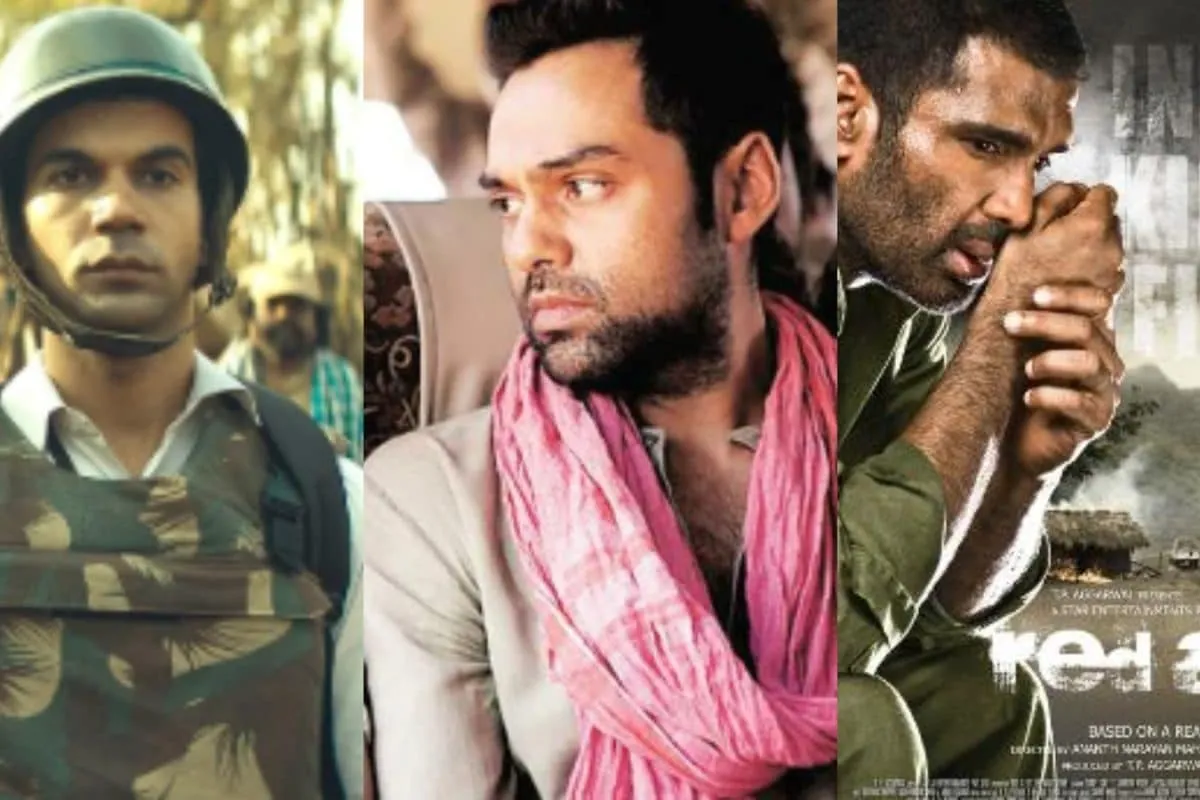
Films such as Anubhav Sinha’s Chakravyuh (2012) plunged audiences into the moral quagmire faced by security forces and the disillusioned youth drawn to the cause. Santosh Sivan’s Red Alert: The War Within (2010) depicted the horrific choices forced upon innocent villagers caught between state and rebel. Even a satirical take like Amit V. Masurkar’s Newton (2017), which earned critical acclaim and an Oscar submission, deftly showcased the absurdity and profound challenges of holding democratic elections in conflict zones. These aren’t escapist dramas; they are often bleak, unflinching looks at a societal wound.
More recently, films like Sudipto Sen’s Bastar: The Naxal Story (2024) have reignited debates, often leaning into a more overtly nationalist perspective, portraying the rebels as outright villains and the state as a righteous force. This shift itself is telling, reflecting evolving public discourse and perhaps, a changing appetite for how these stories are consumed. Unlike the soaring box office success of commercial blockbusters like Dhurandhar 2, films tackling Naxalism rarely achieve mass appeal, underscoring their often niche, yet vital, role in public discourse.
The Big Picture: Why It Matters
As an analyst, I view this “end of Naxalism” narrative with a critical, not cynical, eye. It’s crucial to acknowledge the progress made in bringing stability to regions like Dandakaranya, which were once synonymous with Maoist dominance. Improved connectivity, increased development spending, and enhanced security operations have undoubtedly pushed the CPI (Maoist) to its weakest position in decades. This is a material shift, deserving of recognition.
However, the assertion of “near extinction” demands deeper scrutiny. Naxalism wasn’t merely a security problem; it was, at its roots, a symptom of profound socio-economic disparities, land alienation, exploitation of tribal communities, and a gaping trust deficit with the state. While the visible armed insurgency may be waning, have the underlying issues that fueled it truly been resolved? Or has the focus shifted primarily to containing the violence, rather than eradicating the systemic injustices that gave birth to it?
For filmmakers and artists, this declared “end” presents a fascinating, if challenging, juncture. Will the industry now consider the subject “closed”? Will the narratives pivot from conflict to resolution, from rebellion to rehabilitation? The danger lies in triumphalism – a celebratory erasure of the complex, often tragic, history that shaped these regions. Cinema, at its best, has served as a vital, if sometimes uncomfortable, chronicler of these struggles, offering a human face to the statistics of conflict. It has provided a platform for voices that might otherwise be silenced, forcing us to confront uncomfortable truths about state power, tribal rights, and the meaning of development.
My concern is this: if we declare victory too soon, if we stop asking the hard questions, we risk burying the foundational issues under a veneer of peace. The true ‘end’ of Naxalism won’t be marked by a lack of armed cadres, but by genuine equity, justice, and empowerment for the communities that were most affected. And the role of cinema, even now, remains critical: to ensure that the stories, the sacrifices, and the systemic problems are not forgotten, but continuously examined, understood, and learned from. The curtain may be falling on the active insurgency, but the lessons from this long, dark chapter are anything but over.