Table of Contents:
- Ali’s Unique Vision for Partition
- Diljit Dosanjh: The Strategic Reunion
- The Big Picture: Why This Matters
Ali’s Unique Vision for Partition in Main Waapas Aaunga
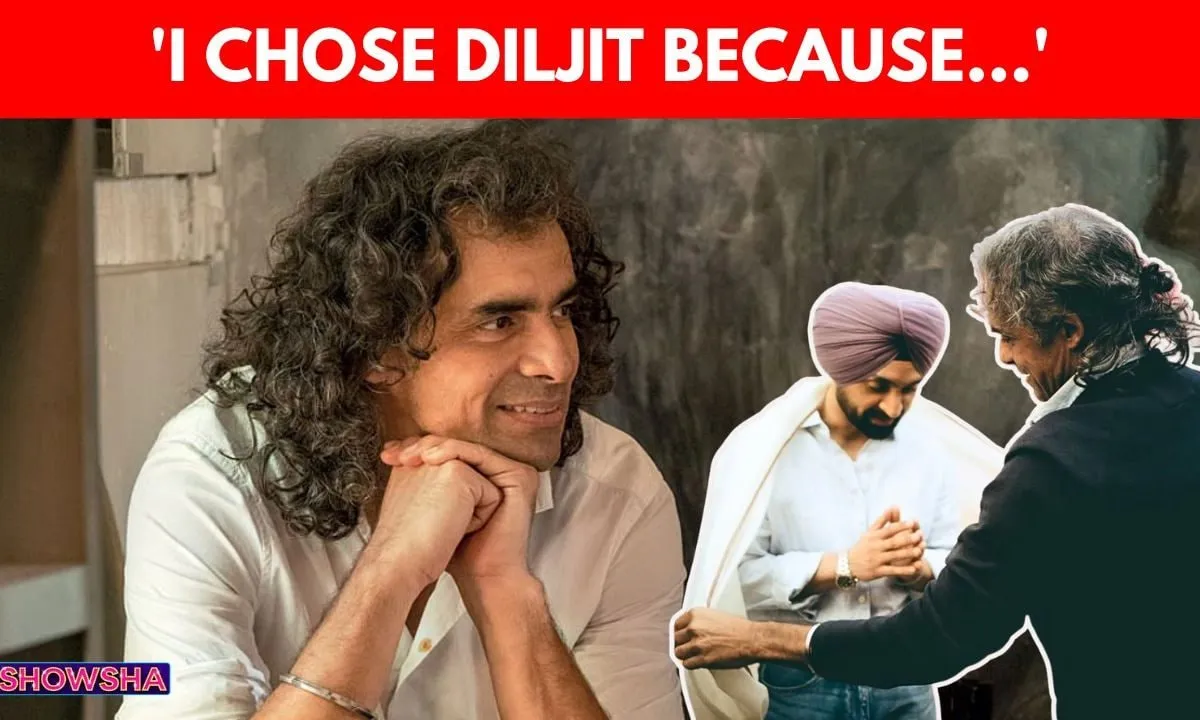
Filmmaker Imtiaz Ali has finally revealed his hand on Main Waapas Aaunga. No grand, sweeping historical epic here. Instead, Ali is framing Partition as an intimate, personal journey. Love, memory, migration – these are his anchors. The narrative connects past and present, seen through youthful eyes. A smart play, avoiding worn-out tropes.
Diljit Dosanjh: The Strategic Reunion
He’s also re-teaming with Diljit Dosanjh. After the critical buzz around Chamkila, this pairing makes sense. Dosanjh, clearly Ali’s go-to for emotional gravitas lately, is tasked with bringing that depth to a Partition-era romance. It’s a calculated choice, certainly. Watch the clip, hear it from the man himself.
The Big Picture: Why This Matters
Look, another Partition story? The market is saturated. The genre often falls into didacticism or mawkish melodrama. Here’s the reality: Imtiaz Ali isn’t known for that. He built his brand on complicated, often melancholic, explorations of love and identity (think Rockstar, Tamasha). Moving from those personal, often introspective tales to a historical event of such magnitude is a significant pivot. But he’s doing it his way.
His decision to focus on “intimate, personal stories” rather than the large-scale violence is key. It’s a brave move. It allows him to lean into his strengths – character-driven narratives – while addressing a historical wound through a relatable, human lens. That’s a different animal entirely from the typical historical drama. It’s a potential de-risking strategy, creatively speaking. Fewer battle lines, more heart strings.
And then there’s Diljit Dosanjh. The man is on a roll. His performance in Chamkila was not just good; it was compelling. Industry talk suggests he’s now the go-to for roles requiring both star power and genuine vulnerability. This isn’t just a director reuniting with a successful actor; it’s a strategic alignment. Ali needs an actor who can carry emotional heft without resorting to histrionics, especially on a subject as sensitive as Partition. Dosanjh delivers. We’ve seen actors elevate difficult material before; remember how Ranveer Singh’s dedication can transform a character, though in a very different context. Dosanjh brings a similar, understated power. This combination of Ali’s unique narrative approach and Dosanjh’s recent form could genuinely offer something fresh in a space that desperately needs it.