- The Undeniable Power of Data
- Generational Shift and the Rise of Relatability
- Why It Matters: The Big Picture
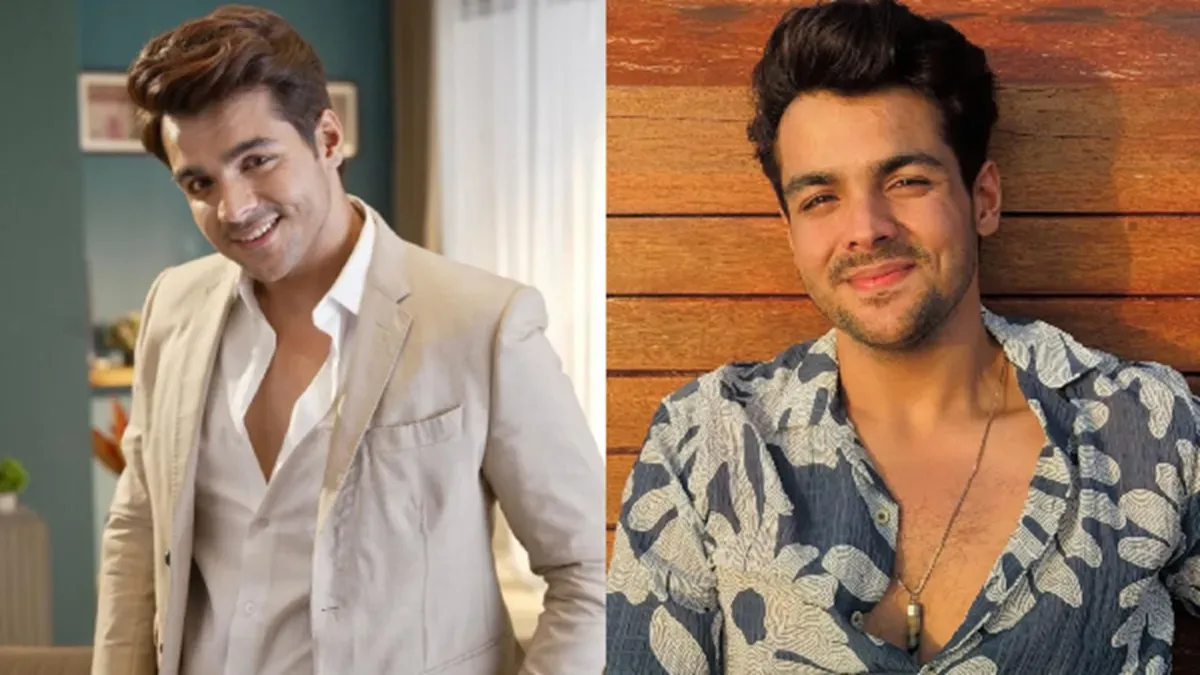
In the often-murky waters of the Indian entertainment industry, where the lines between traditional stardom and digital influence have long been fiercely contested, one voice cuts through the noise with refreshing clarity: Ashish Chanchlani. The YouTube titan recently pulled back the curtain on his journey, offering insights that, frankly, should be compulsory viewing for anyone still clinging to outdated notions of celebrity.
The Undeniable Power of Data
Chanchlani didn’t mince words. “Numbers shut everyone up,” he declared, a statement that resonates far beyond a mere personal anecdote. This isn’t just about his success; it’s a stark, unvarnished truth about the modern content landscape. For years, digital creators, despite commanding audiences larger than many theatrical releases, found themselves relegated to a secondary tier. They were ‘internet sensations,’ ‘YouTube stars’ – titles often delivered with a thinly veiled condescension from the old guard. But the game has changed, drastically.
The numbers—views, subscribers, engagement rates—are the undeniable, irrefutable metrics that have shattered this arbitrary hierarchy. They don’t lie. They show who people are actually watching, engaging with, and ultimately, paying attention to. In an era where even major theatrical releases struggle to draw consistent crowds, the sustained, direct engagement commanded by creators like Chanchlani is not just impressive; it’s the gold standard. When Anupam Kher himself notes that “people are not idiots” for celebrating films like Dhurandhar 2, it underscores a universal truth: audiences are sophisticated, discerning, and they vote with their wallets and their clicks. They value authenticity and relatability above all else.
Generational Shift and the Rise of Relatability
Chanchlani astutely observed that today’s audiences are “far more receptive than they are often given credit for.” This is a critical point. The younger generations, those who grew up with a smartphone in their hand, don’t just consume content; they inhabit digital spaces. YouTube and Instagram aren’t just platforms; they’re cultural hubs where relatability trumps manufactured glamour. They seek connections, humor, and narratives that mirror their own lives, not just escapist fantasies.
The traditional superstar paradigm, built on an almost divine distance from the common person, feels increasingly anachronistic. Digital creators bridge that gap. They show vulnerability, share struggles, and invite audiences into their world in a way that feels organic and genuine. This intimacy is their superpower, building legions of loyal fans who aren’t just viewers but a community. It’s a fundamental shift in what constitutes “star power,” and anyone ignoring it does so at their own peril.
Why It Matters: The Big Picture
Let’s be brutally honest: the initial dismissal of digital-first talent by traditional media wasn’t just short-sighted; it was an act of profound ignorance. For years, the gatekeepers of Bollywood and television scoffed, believing their carefully curated, glossy facade was untouchable. They clung to a narrative of ‘mass appeal’ defined by their own antiquated metrics, failing to see the seismic shift happening right under their noses. What Chanchlani points out, the cold, hard numbers, are merely the receipts for a revolution that has been brewing for over a decade.
This isn’t merely about YouTube views. This is about a complete re-evaluation of the content economy. Digital platforms democratized access, allowing anyone with a camera and an idea to bypass the old studios and directly connect with an audience. This disruption forced traditional players to scramble, some adapting (often clumsily), others stubbornly resisting the inevitable. The industry impact is undeniable: talent now flows in multiple directions. Digital stars cross over to films and web series, bringing their pre-built, highly engaged fanbases with them. Conversely, mainstream actors are increasingly attempting (with varying degrees of success) to cultivate a digital presence, realizing the direct connection it offers.
The forward-looking analysis? The future of content isn’t a segregated landscape. It’s an integrated, fluid ecosystem where authenticity is the ultimate currency. The fabricated larger-than-life persona is dying a slow, painful death. What’s thriving is genuine connection, storytelling that resonates, and creators who understand their audience on a granular level. Ashish Chanchlani’s statement isn’t just a personal victory lap; it’s a declaration of a new world order where the audience, armed with their clicks and views, truly holds the power. And anyone who still thinks traditional media has the monopoly on ‘real’ stardom is simply not paying attention.