Hindi cinema is undergoing a fundamental recalibration of its female protagonists. Far removed from historical archetypes confined to ornamental or romantic support roles, a new generation of actresses is spearheading a movement towards complex, multifaceted characters. This forensic analysis dissects the shift from mere glamour to narratives centered on bravery, agency, and profound personal journeys, demonstrating how films across thrillers, biopics, and social dramas are actively broadening the scope of what constitutes a ‘heroine’ in the contemporary Indian film landscape.
- The Big Picture
- Architects of Change: Actresses Driving the Evolution
- Genre Transcendence: Beyond Conventional Roles
- Industry Impact and Future Trajectories
The Big Picture
For decades, the Hindi film industry often relegated its female leads to secondary positions, serving primarily as romantic interests, moral compasses, or catalysts for the male protagonist’s journey. The commercial viability of female-centric narratives was frequently questioned. However, seismic shifts in audience demographics, evolving social perspectives, and a globalized content landscape have catalyzed a paradigm shift. Audiences are increasingly demanding authentic, relatable, and powerful female narratives that reflect contemporary realities. This demand has empowered filmmakers to invest in stories where women are not just characters but the undisputed epicentre of the plot, driving both conflict and resolution.
Architects of Change: Actresses Driving the Evolution
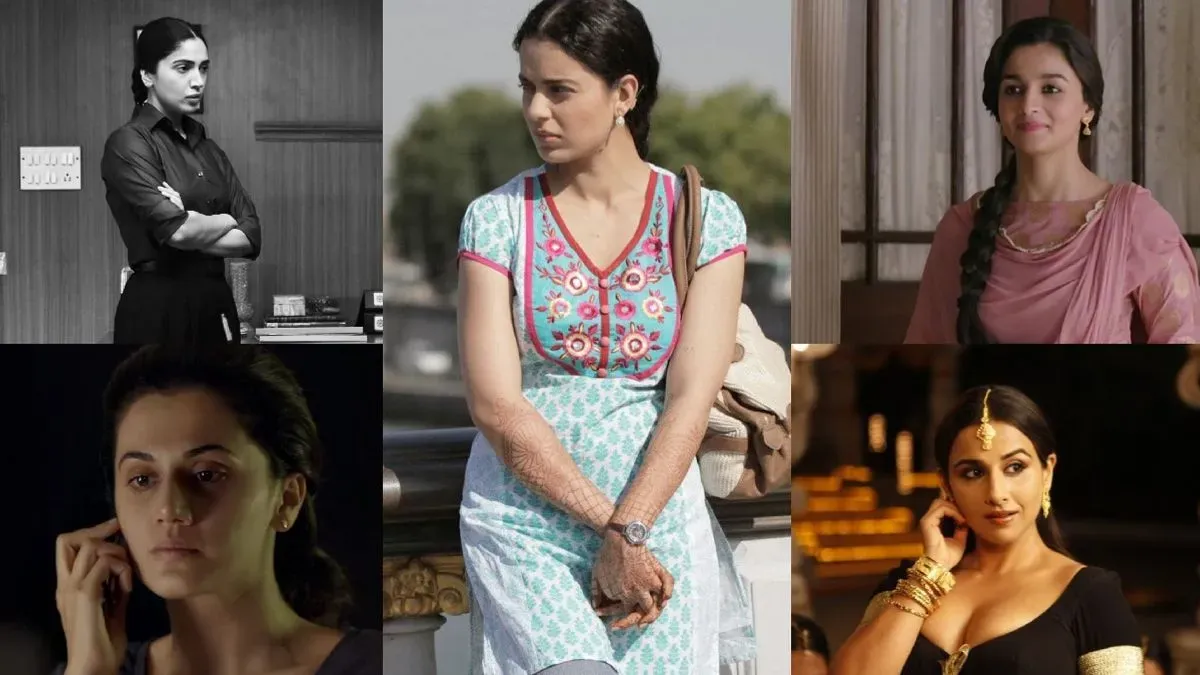
A cohort of actresses is demonstrably influencing this transformation, each contributing distinct facets to the evolving definition of a ‘heroine’:
- Alia Bhatt: With films like ‘Raazi’ and ‘Gangubai Kathiawadi’, Alia Bhatt has demonstrated an impressive range, portraying characters that are complex, morally ambiguous, yet deeply resilient. Her portrayal of a spy in ‘Raazi’ eschewed conventional heroism for a nuanced exploration of sacrifice and duty, while ‘Gangubai’ presented a matriarchal figure of power and defiance, challenging societal norms directly.
- Bhumi Pednekar: Bhumi Pednekar has carved a niche by championing social dramas, often playing women who challenge patriarchal structures or societal prejudices. From ‘Dum Laga Ke Haisha’ to ‘Toilet: Ek Prem Katha’ and ‘Badhaai Do’, her roles consistently highlight female agency in the face of adversity, advocating for personal freedom and societal change.
- Taapsee Pannu: Taapsee Pannu has become synonymous with thrillers and social commentaries that place women at their core. ‘Pink’ ignited discussions on consent, ‘Thappad’ critically examined marital abuse, and ‘Haseen Dillruba’ presented a morally grey, unconventional female lead, asserting a new degree of complexity for female characters in mainstream thrillers.
- Vidya Balan: A pioneer in this shift, Vidya Balan’s career trajectory effectively laid groundwork. Her performances in ‘Kahaani’, ‘The Dirty Picture’, and ‘Tumhari Sulu’ proved the commercial viability of films led by strong, often unconventional, female characters, establishing a precedent for others to follow.
- Kangana Ranaut: Kangana Ranaut, particularly with ‘Queen’ and ‘Tanu Weds Manu’, showcased women undergoing profound self-discovery and asserting independence. Her characters often navigate personal crises to emerge stronger, embodying a departure from reliance on male saviours.
Genre Transcendence: Beyond Conventional Roles
The broadening definition of a heroine is intrinsically linked to genre expansion. Previously, female leads were largely confined to romantic comedies or family dramas. Now, biopics like ‘Mary Kom’ or ‘Gunjan Saxena: The Kargil Girl’ highlight real-life female achievements, lending gravitas and inspiration. Thrillers, traditionally male-dominated, now feature female protagonists driving the suspense and action, exemplified by films like ‘Kahaani’ or ‘Mardaani’. Social dramas, as seen in Bhumi Pednekar’s filmography, provide platforms for critiquing societal inequalities through a female lens, making the heroine an agent of change rather than merely a recipient of circumstances.
Industry Impact and Future Trajectories
This evolution signifies more than just character diversity; it reflects a healthier, more representative industry. Increased investment in female-led projects is generating new opportunities for writers, directors, and technicians, fostering a more inclusive creative ecosystem. The shift also empowers female audiences by presenting narratives that resonate with their experiences and aspirations, potentially leading to greater box office stability and critical acclaim for such ventures. The trajectory suggests a continued deepening of character complexity and an even wider range of storytelling possibilities for Hindi cinema’s female protagonists, solidifying their central role in the industry’s narrative future.