Samay Raina Roasts Amitabh Bachchan; Sanya Malhotra And Sitarist Rishab Rikhiram Sharma Break Up?
Samay Raina’s Bold Move
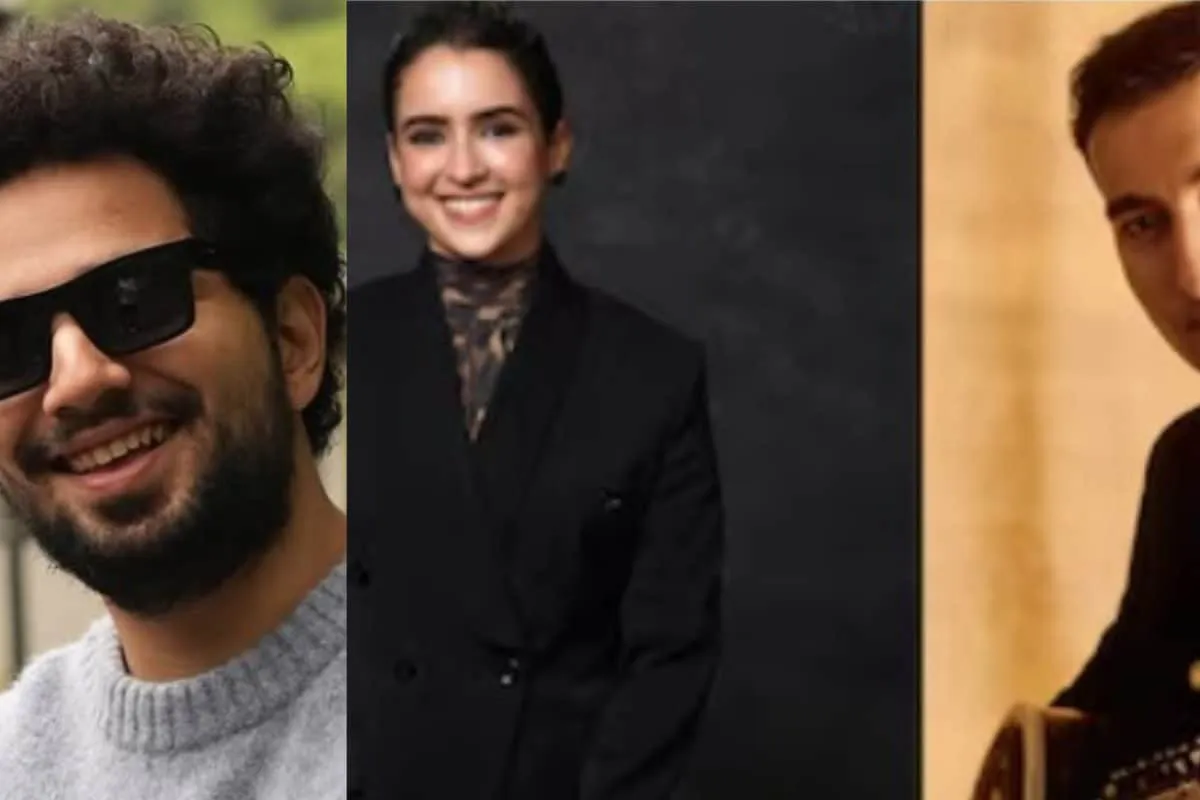
Samay Raina, the comedian, just roasted Amitabh Bachchan. Unscripted. Unfiltered. This happened. Simultaneously, whispers confirm Sanya Malhotra and sitarist Rishab Rikhiram Sharma have reportedly called it quits. A quiet split. Two very different headlines, both shaking up their respective circles.
Raina’s set targeted Bachchan directly. A bold play in a hierarchy-obsessed industry. Some call it brave. Others, perhaps, reckless. Here’s the reality: standing up to an icon like Bachchan, even comically, generates immense buzz. It challenges norms. It’s a calculated risk for Raina’s brand, positioning him as a no-holds-barred voice. This isn’t just comedy; it’s a statement. Remember when industry stalwarts like SRK and Juhi Chawla navigated the early industry with a certain decorum? Kashmera Shah’s anecdotes about “Yes Boss” sets remind us how carefully image was once crafted. Raina operates in a different era.
Sanya Malhotra’s Relationship Status
Then, Sanya Malhotra. A talent on the rise. Her reported breakup with sitarist Rishab Rikhiram Sharma hits quieter notes. These things happen. Public profiles often mean private pains become public gossip. Sources indicate the split was mutual, no high drama. Just an ending. For actors, personal news always refracts into their professional image. It’s a tough balancing act.
The Big Picture
This week’s dual narrative, the audacious roast and the celebrity split, illustrates a core industry shift. The Bachchan roast isn’t merely a joke; it’s a marker. Comedy, especially stand-up, is becoming a primary vehicle for challenging established power structures in entertainment. It provides a platform where traditional deference can be, and often is, discarded. This directness appeals to a younger audience. They crave authenticity, even if it’s staged antagonism. Compare this to the tightly controlled narratives of yesteryear.
The Malhotra-Sharma split, meanwhile, underscores the enduring pressure on public figures. Every relationship, every personal choice, is scrutinized. It’s part of the deal. But it also highlights the increasing normalization of celebrity relationships and their eventual, often undramatic, ends. What matters here isn’t that they broke up, but how little impact it has on their professional trajectory, unlike earlier eras where scandal could derail careers. The audience today is more discerning. They root for talent, not just perfect personal lives. Directors like Aditya Dhar are always on the lookout for genuine talent, and personal lives rarely define a good actor’s work anymore. Aditya Dhar’s praise for Mukesh Chhabra for his casting choices reiterates the industry’s focus on skill. This dual news cycle shows an industry moving, perhaps reluctantly, towards blunt honesty and individual agency.


Leave a Comment