
Vikrant Massey opens up about ‘dad guilt’, says it’s ‘natural to envy’ the parent who stays home: ‘Dads don’t even do one-fourth’
Massey on Guilt: The Unfiltered Truth
Vikrant Massey is talking. The actor recently opened up about what he calls ‘dad guilt’. It’s a reality for many, but rarely articulated so frankly in Indian cinema circles.
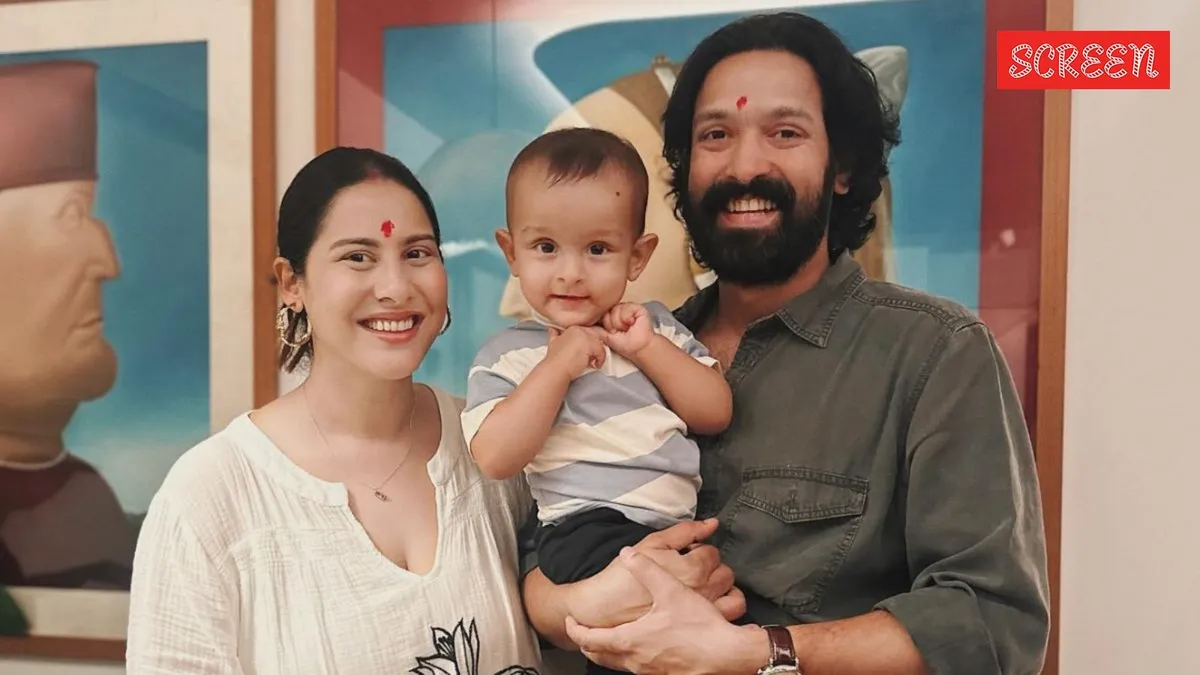
Massey confessed to envying his wife, Sheetal Thakur, who stays home with their child. His words? “Dads don’t even do one-fourth” of the work. A bold statement. He feels the pangs of separation, the desire to be present. This isn’t just a celebrity anecdote. It’s a reflection of deeper societal currents.
He’s acknowledging the disparity. The uneven distribution of domestic and parental labor. Many fathers feel it, silently. Massey just put a spotlight on it. This isn’t about shaming; it’s about observation. Here’s the reality: traditional gender roles still weigh heavily, even in progressive-leaning industries.
Why It Matters: Beyond the Headlines
This isn’t just another soundbite. Vikrant Massey’s frankness about ‘dad guilt’ is significant. It chips away at a long-held, often unspoken, male stereotype in Indian culture: the stoic, provider father, emotionally detached from daily childcare. For decades, the narrative has centered almost exclusively on mothers and ‘mom guilt.’ Massey’s comments shift the lens.
The Mumbai film industry has historically projected very specific family dynamics. Fathers were often the disciplinarians, the financial backbone, or simply absent figures while mothers nurtured. That script is changing. We’re seeing more actors, from Shahid Kapoor to Saif Ali Khan, speak about their active roles in parenting. Massey’s candor takes it a step further, admitting not just involvement, but the emotional cost of *not* being there.
Look at the numbers. While precise data on ‘dad guilt’ in India is scarce, global trends show increasing father involvement in childcare, leading to similar emotional conflicts. This isn’t a Western import; it’s a universal consequence of shifting societal expectations and dual-income households. What Massey is articulating is a sentiment that resonates with millions of working fathers trying to balance career demands with personal lives. It opens up a crucial dialogue on redefining masculinity, not just in Bollywood, but across the nation. The industry has a platform. When voices like Massey’s speak out, it normalizes these feelings for others. It validates a different kind of male experience. It’s part of a broader conversation about gender roles and equality, a conversation Samay Raina touched on regarding women standing up, and now, we see the other side of the coin. This isn’t about competition; it’s about shared responsibility and acknowledging the emotional labor involved for all parents. It’s a sign the discussion around modern families is finally becoming more inclusive.



Leave a Comment