Aamir Khan, Salman Khan To Sharad Kelkar: Actors Who Have Also Donned The Hat Of Producers
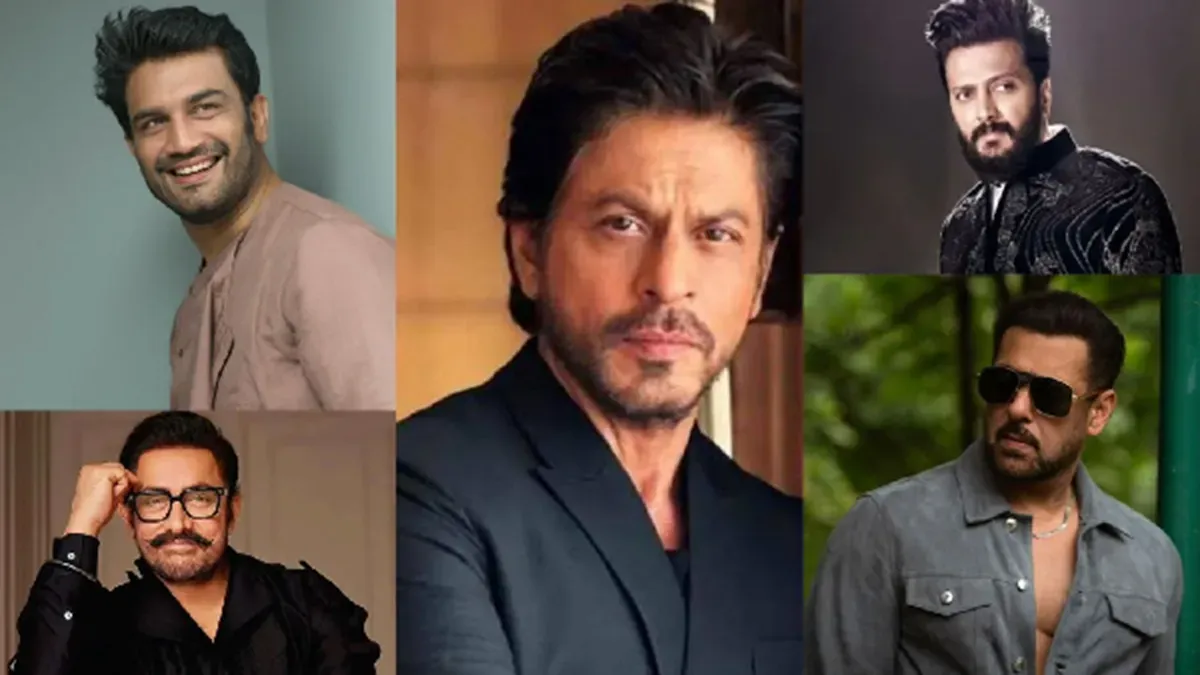
Actor-Producers: The New Power Center
Aamir Khan. Salman Khan. Sharad Kelkar. These names aren’t just marquee draws anymore. They’re the decision-makers, controlling film productions from concept to release. It’s a significant power shift. Forget just acting for the camera; they’re now calling the shots behind it.
This isn’t just about vanity projects. This is smart business. These actors are directly involved in both the creative vision and the financial viability of their films. They dictate the narrative, choose the directors, and manage the budgets. Full creative agency. Look at the numbers; owning the IP is where the real long-term money is, especially with distribution models changing rapidly.
It allows them a specific kind of freedom. Freedom to back projects that might not get traditional studio funding. Freedom to experiment with storytelling. We’ve seen this play out with varied success, but the intent is clear: control the story, control the outcome. It’s a calculated risk, but one with immense upside. Remember how some projects struggle for backing? Anurag Singh’s experience with ‘Punjab 1984’ highlights the kind of support an independent vision often needs.
The Big Picture
This phenomenon isn’t entirely new, but its scale is. Raj Kapoor, Dev Anand, even Guru Dutt were actor-filmmakers in their time, but the industry was structured differently. Today’s actor-producers operate in a corporate world, vying for theatrical space and streaming deals. They’re leveraging their star power not just to sell tickets, but to build entire production houses. Think of Aamir Khan Productions or Salman Khan Films. These are serious enterprises.
Why does it matter now? Two reasons. One, creative control. Studios often play it safe, chasing commercial formulas. Actors producing their own work can champion unique, character-driven narratives, balancing mass appeal with depth. Two, financial independence. They can cut out intermediaries, directly engaging with distributors and streamers, retaining a larger share of the profits. This model empowers them to greenlight projects that might be deemed “risky” by traditional financiers, pushing boundaries. We see examples of intricate storytelling with massive budgets, like the kind of narrative complexity found in projects like Mahesh Babu’s Rudhra, where creative vision demands a producer willing to take a chance.
This shift alters the industry’s power dynamics. It puts more influence directly into the hands of the talent, fostering an environment where star power isn’t just about acting; it’s about shaping the entire cinematic output. The old guard of studio chiefs? Their influence shrinks. Expect more varied, more personal stories to emerge, for better or worse. It’s a move toward an artist-driven model, something Bollywood has flirted with for decades, but now with serious capital behind it.

Leave a Comment