No romance for Ajay Devgn? Rohit Shetty breaks 20-year Golmaal tradition for Akshay Kumar’s franchise debut
The Shift
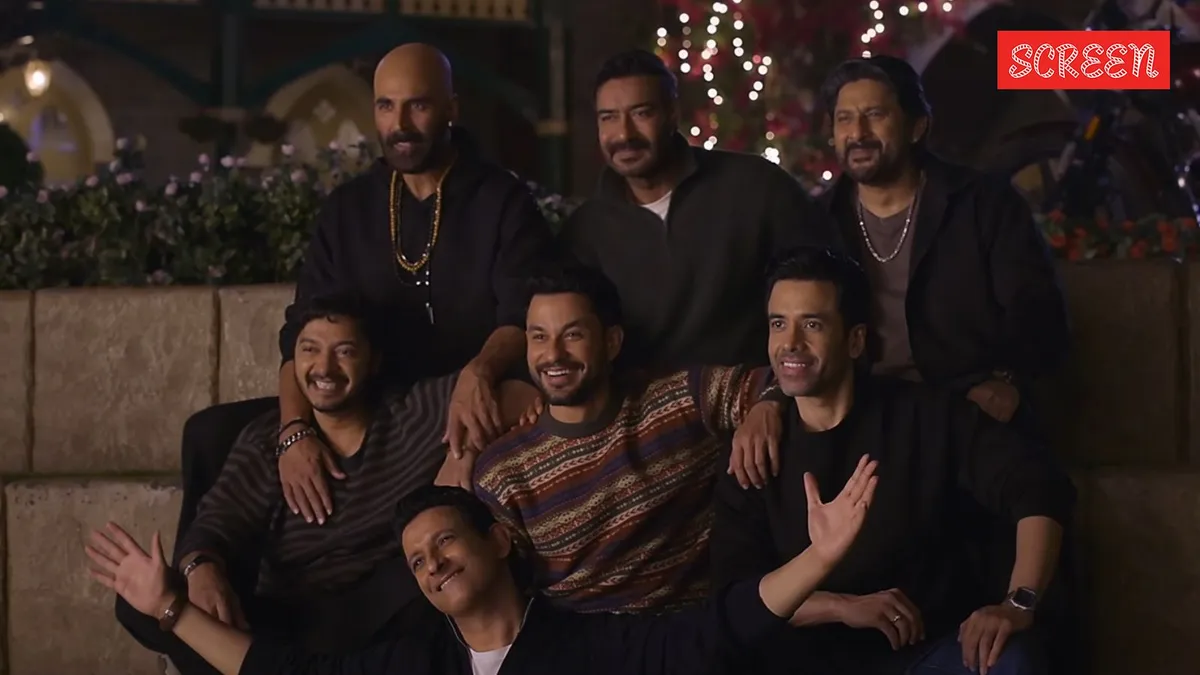
Rohit Shetty’s signature franchise, Golmaal, is undergoing a seismic shift. For the first time in twenty years, the expected romantic subplot is out. Why? Akshay Kumar is stepping in for his franchise debut, and the narrative focus is changing. This isn’t just a casting change; it’s a strategic pivot. The absence of a leading lady, a staple since the original, signals a departure from the established formula. Shetty is clearly betting on Kumar’s star power and a fresh comedic approach to keep the Golmaal magic alive. Look at the numbers; Golmaal has always delivered, but can it without its romantic anchor?
A Franchise Redefined
The Golmaal series has been a cash cow, built on a specific brand of chaotic humor and, yes, burgeoning romances. Think Kareena Kapoor Khan and Ajay Devgn in Golmaal Returns, or Parineeti Chopra in Golmaal Again. These elements weren’t incidental; they were part of the appeal. Now, with Akshay Kumar leading the charge, the dynamic is different. This move begs the question: can Golmaal succeed purely on its slapstick and Shetty’s directorial flair, minus the romantic entanglements that have often provided character depth and audience relatability? It’s a bold gamble. It reminds me a bit of how Deepika Padukone addresses chatter, by directly engaging and redefining the narrative herself, much like Shetty is doing with his franchise. This isn’t just about a new actor; it’s about reinventing an entire cinematic universe.
Why It Matters
This development is more than just a casting reshuffle; it’s a commentary on the evolving nature of commercial cinema and franchise management. Rohit Shetty, a master of the masala genre, is signalling a willingness to break his own established patterns. For twenty years, the Golmaal franchise has relied on a predictable, yet successful, blend of comedy and romance. Akshay Kumar, known for his own brand of action-comedy, brings a different energy. This could signal a shift towards a more male-centric, action-comedy driven franchise, potentially alienating a segment of the audience that enjoyed the romantic arcs. Or, it could be a calculated risk to inject new life and broaden the appeal. It’s a testament to Shetty’s understanding of market dynamics and his courage to experiment, even with his most beloved creations. Consider the impact of a similar shift for, say, the Samay Raina brand, if he were to suddenly pivot away from his core content – it would raise eyebrows, and for good reason. This is a franchise that has consistently topped box office charts. Any deviation, especially one that removes a core ingredient like romance, has significant financial and cultural implications. It forces us to question what truly makes a franchise endure: is it the characters, the director’s vision, or a carefully constructed formula?

Leave a Comment