Alia reviews Ranbir’s turn as Rama: ‘Out of this world’
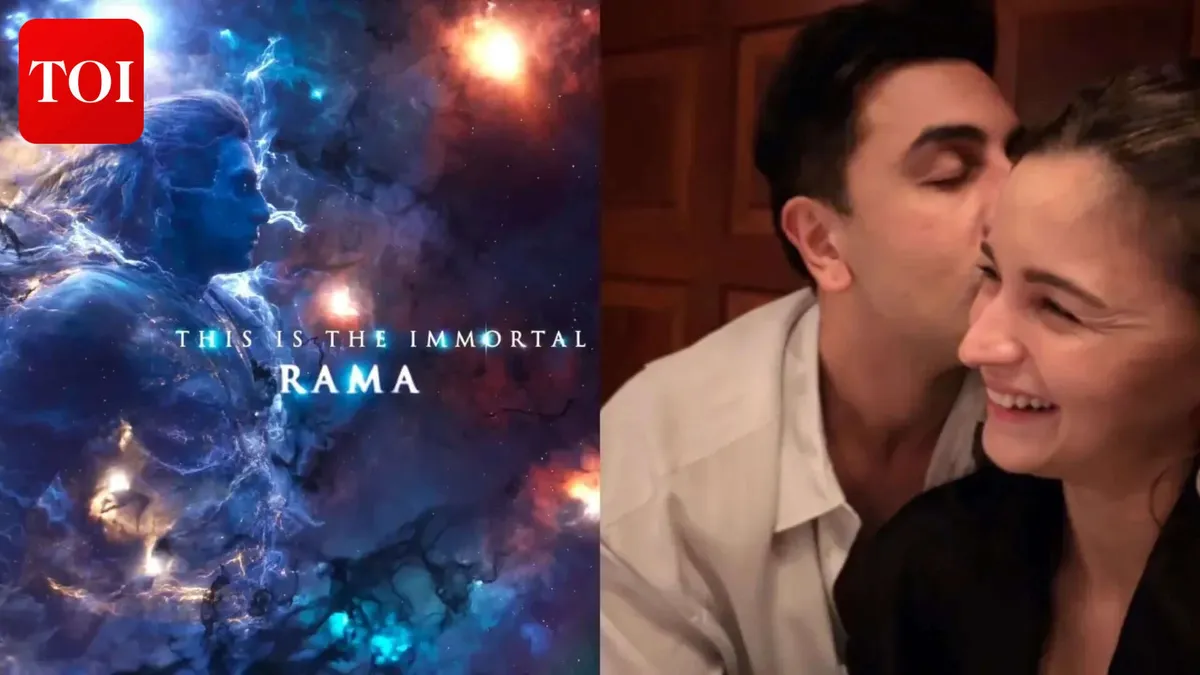
Table of Contents
The ‘Rama’ First Look
Alia Bhatt has offered her unequivocal endorsement of husband Ranbir Kapoor’s turn as Rama in Nitesh Tiwari’s hotly anticipated Ramayana. Her verdict? ‘Absolutely fabulous’ and ‘out of this world’. Strong words. These come after the film’s initial glimpse, simply titled ‘Rama’, began making rounds. Early whispers highlight a breathtaking scale and grand vision. Significant buzz, indeed.
This isn’t just casual spouse-speak. An A-list wife’s public praise carries weight. It’s part of the narrative building. The film, long in the making, has been a subject of intense speculation. Every detail is dissected. Every reaction amplified. The makers recently unveiled the first glimpse, a strategic move to fuel anticipation around this magnum opus. Details around the Ramayana Teaser Release Time generated their own frenzied headlines.
Look at the timing. With initial footage just out, an endorsement from within the inner circle acts as a powerful, early marketing push. It’s a calculated move. It frames the conversation, sets a positive tone. This isn’t just a movie; it’s a statement.
The Big Picture: Why It Matters
Here’s the reality: A Ramayana adaptation is never just another film. It’s a cultural undertaking. Expectations are monumental. From Ramanand Sagar’s iconic television series to various cinematic attempts, the mythological epic holds an almost sacred space in public consciousness. Ranbir Kapoor stepping into Rama’s shoes isn’t just a role; it’s a burden of legacy.
Alia’s ‘out of this world’ comment isn’t merely personal admiration. It’s a strategic planting of the flag. This production needs every ounce of positive momentum. Budgets are astronomical. The canvas is immense. The industry is watching how Nitesh Tiwari, known for his nuanced storytelling, handles such a gargantuan subject. This isn’t a small indie production; it’s designed to be a landmark. A cultural phenomenon. Anything less is failure.
The stakes are high for Ranbir too. After Animal, which proved his commercial muscle, Ramayana positions him as a serious contender for roles demanding gravitas and immense popular appeal. Alia’s praise, therefore, isn’t just about his acting; it’s about validating the entire project’s ambition. It’s about signaling confidence to distributors, exhibitors, and most importantly, the audience. This early praise aims to quell any doubts. To build an unassailable narrative before release. Whether it works long-term? That’s the real question.



Leave a Comment