How Was BTS Formed? Real Story Behind The Most Popular K-Pop Boy Band
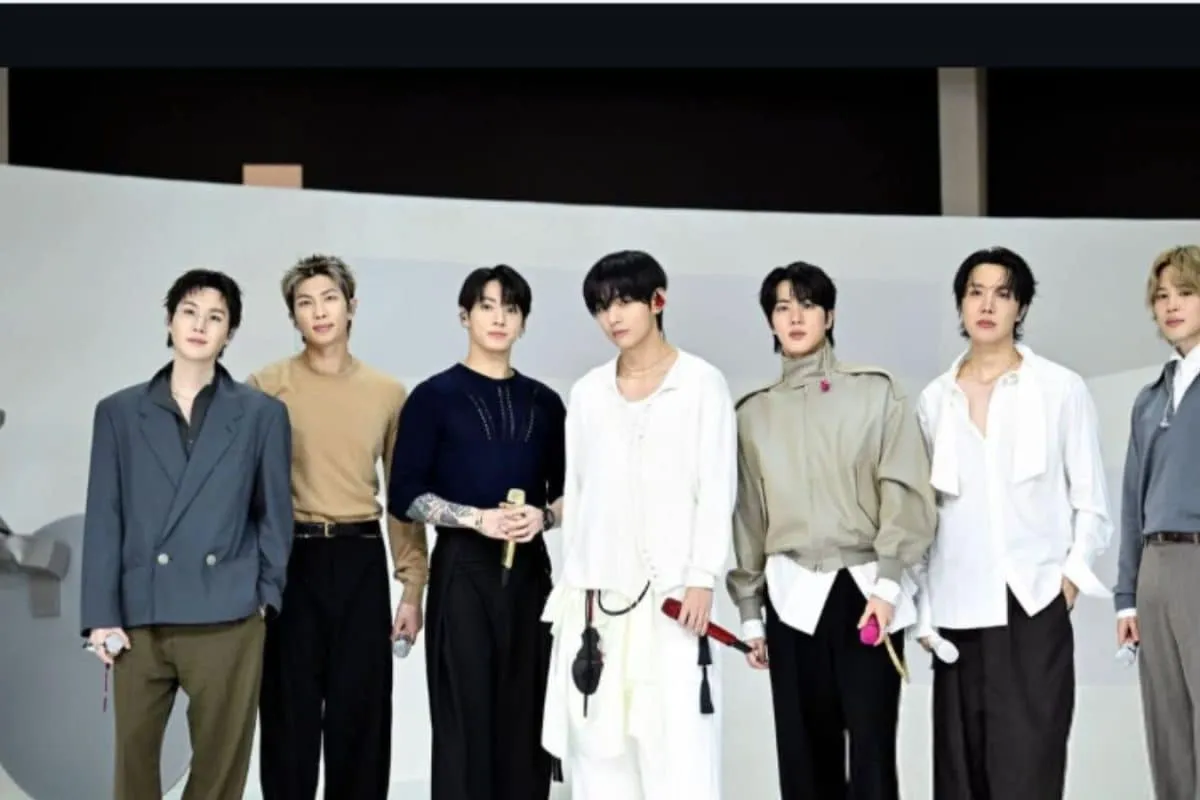
Table of Contents
A Recent ‘Comeback’: Setting the Stage
Earlier this month, the buzz was all about a potential new release, an alleged fifth studio album, ARIRANG, from K-Pop titans BTS. Here’s the reality: while individual members are active and consistently charting, a full group comeback and a fifth studio album named ARIRANG aren’t quite lining up with their current hiatus and mandatory military service schedule. Regardless, any mention of new BTS music sends tremors through the industry. It speaks volumes about their enduring power, even when on an official break. But to truly understand that power, you have to go back to the beginning. Way back.
The Genesis of BTS: A Gamble on Talent
Before the stadiums, before the UN speeches, before the Grammy nominations, BTS was a long shot. They weren’t born from one of Korea’s entrenched ‘Big 3’ entertainment powerhouses. Instead, their origin lies with Big Hit Entertainment, then a relatively small, struggling agency founded by the visionary Bang Si-hyuk. He wasn’t looking for pretty faces alone. He wanted substance. He sought artists who could write, produce, and genuinely connect.
The core idea materialized around 2010. Bang Si-hyuk envisioned a hip-hop group, a stark contrast to the saccharine pop groups dominating the scene. The first member, RM (Kim Nam-joon), was scouted from the underground hip-hop world. He was a rapper, a leader. Others followed: Suga (Min Yoon-gi), another underground rapper, and J-Hope (Jung Ho-seok), a talented street dancer. The initial lineup shifted. Members came and went. The creative direction evolved from a pure hip-hop crew to a more traditional idol group structure, but with a critical twist: they’d maintain their artistic integrity.
Beyond the Audition Room: Building a Movement
Jin (Kim Seok-jin), V (Kim Tae-hyung), Jimin (Park Ji-min), and Jungkook (Jeon Jung-kook) joined through various auditions and scouting processes. Training was brutal. Years of intensive practice, vocal lessons, dance drills, and songwriting workshops. They lived together. They honed their craft. It was less about manufactured perfection and more about raw talent molded by relentless effort. Their debut in June 2013 with ‘No More Dream’ from the album 2 Cool 4 Skool wasn’t an instant smash. Far from it. They were rookies from an unknown company, often overshadowed.
What set them apart? Their willingness to tackle social issues in their lyrics: bullying, the pressures of society, mental health struggles. This resonated deeply with their burgeoning fanbase, affectionately known as ARMY. They communicated directly with fans, bypassing traditional media gatekeepers. They leveraged platforms like Twitter and YouTube with unprecedented authenticity. That direct, unvarnished connection became their superpower. It’s a lesson many in the global entertainment sphere are still learning, even in Malayalam cinema’s ambitious ventures, proving that audience engagement transcends geography. Just look at the excitement surrounding Kathanar: Jayasurya, Anushka Shetty lead Malayalam cinema’s biggest period dark fantasy thriller – it’s about connection.
Why It Matters: Rewriting the K-Pop Playbook
The formation story of BTS isn’t just about seven guys finding each other; it’s a blueprint for disruption. They weren’t bankrolled by a behemoth. They were a scrappy startup, betting on something different. Look at the numbers. They built an empire, not on corporate connections, but on genuine relatability and a fan-first approach. This fundamentally changed the K-Pop industry.
Before BTS, the path to global recognition for a K-Pop group often involved heavy localization efforts, language barriers, and trying to fit into Western molds. BTS just… didn’t. They brought Korean culture, Korean stories, and Korean language to the world, unapologetically. They proved that authenticity, coupled with unparalleled talent and a meticulously crafted narrative (think their ‘Love Yourself’ series), could break through any barrier. Their success forced the established ‘Big 3’ agencies — SM, YG, JYP — to rethink their strategies, to invest more in organic fan engagement and artist individuality. It spurred a global interest in K-Culture that no government initiative ever could.
Moreover, their influence extends beyond music charts. They’ve become cultural ambassadors, economic drivers, and a case study in effective digital communication. HYBE Corporation, their parent company, is now a multi-billion-dollar entity, expanding globally, acquiring labels, and diversifying its portfolio. This whole phenomenon started with a single producer’s audacious idea and seven young men who weren’t afraid to be vulnerable. That’s the real story. It’s a stark reminder that even the biggest entertainment machines, like those planning epic film sequences after a cancelled Dubai schedule, can learn from grassroots authenticity. The impact of their formation continues to reverberate, setting a new, incredibly high bar for what K-Pop, and global music, can achieve.