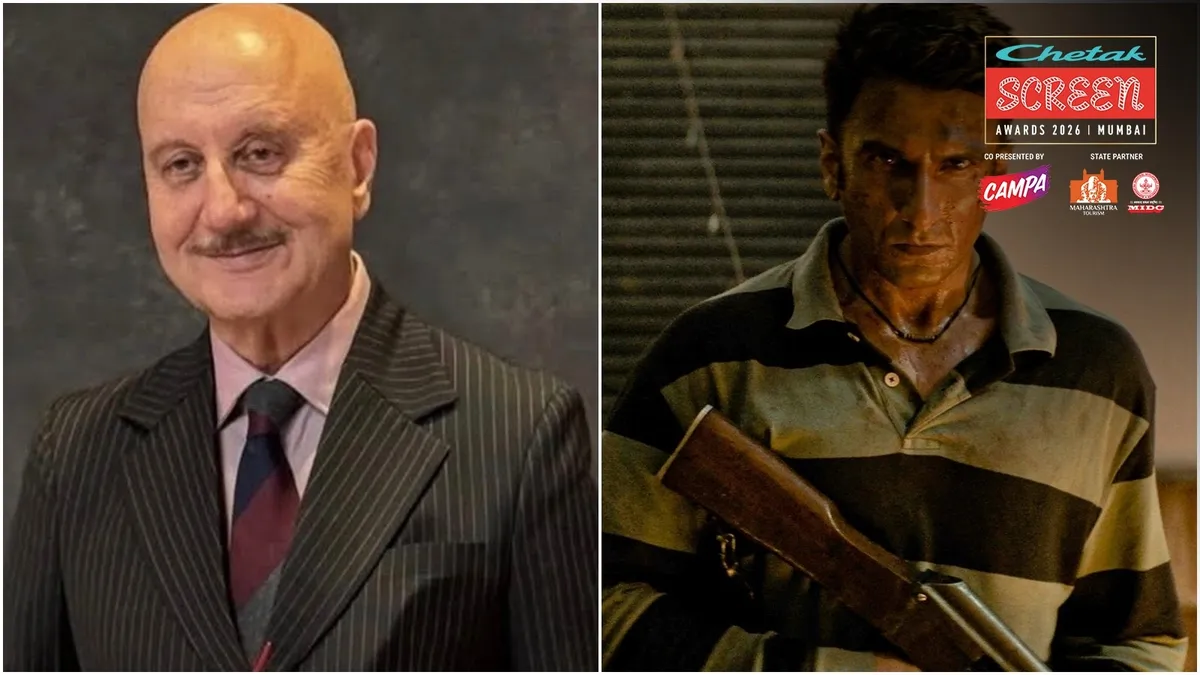
‘Rest in peace to those calling Dhurandhar a propaganda film’: Anupam Kher says ‘people are not idiots’ for celebrating Ranveer Singh’s film
- The Great Divide: Critics vs. The Box Office
- Anupam Kher’s Reality Check
- The Big Picture: Why It Matters
The Great Divide: Critics vs. The Box Office
The cultural discourse in India has reached a fever pitch, and once again, the battlefield is the local multiplex. While a vocal section of the intelligentsia and social media critics have been quick to slap the “propaganda” label on Ranveer Singh’s latest blockbuster, industry veteran Anupam Kher isn’t having any of it. He’s stepping into the fray with a blunt message for the detractors: your labels don’t matter when the masses have already spoken.
It is a familiar cycle. A film arrives with high-octane energy and nationalist undertones, the critics sharpen their pens, and the audience responds by breaking out their wallets. According to Dhurandhar 2 Worldwide Box Office Collection Day 12 reports, the film is already flirting with the mammoth Rs 1,400 crore club despite a natural dip in daily earnings. Money doesn’t just talk in this industry; it screams.
Anupam Kher’s Reality Check
Anupam Kher, never one to shy away from a political or cultural scrap, took to the airwaves to defend the film’s integrity. “Rest in peace to those calling it propaganda,” Kher remarked with his trademark acidity. He argues that the Indian audience has evolved beyond being passive consumers. They aren’t sheep. They aren’t easily manipulated by cinematic messaging if the core entertainment value isn’t there.
Kher’s central thesis is simple: “People are not idiots.” If a film resonates at this scale, it’s because it touches a nerve, satisfies a hunger for spectacle, or provides a catharsis that the high-brow critics fail to quantify. While other industry figures remain embroiled in scandals—much like how Telugu actress Hema breaks silence on Bengaluru drugs case controversies—Kher is focusing the spotlight back on the relationship between the creator and the consumer. He views the “propaganda” tag as an insult to the collective intelligence of the ticket-buying public.
The Big Picture: Why It Matters
Why does this debate keep resurfacing? Because we are witnessing a fundamental shift in how cinema functions as a socio-political tool in India. For decades, Bollywood was criticized for being too detached from “Real India.” Now, as filmmakers lean into themes of national pride and historical revisionism, the pendulum has swung aggressively in the other direction. This isn’t just about a movie; it’s about the democratization of taste.
The success of Ranveer Singh’s film suggests that the ‘Elite Critic’ is losing their gatekeeper status. When a film approaches the 1,500-crore mark, the critique of its political subtext becomes secondary to its status as a cultural phenomenon. Kher’s defense highlights a growing sentiment within the industry: that commercial success is the ultimate validation of a film’s “truth.” Whether you agree with the politics or not, the sheer scale of the box office numbers proves that the audience is seeking a specific type of hero—one that Ranveer Singh provides in spades. The industry isn’t just making movies anymore; it’s building modern myths, and the public is buying in wholesale.