Arpit Bala Spitting Controversy | Why Did Singer Spit On Fan During Concert? He Reacts, ‘It’s A Bit Unfair…’
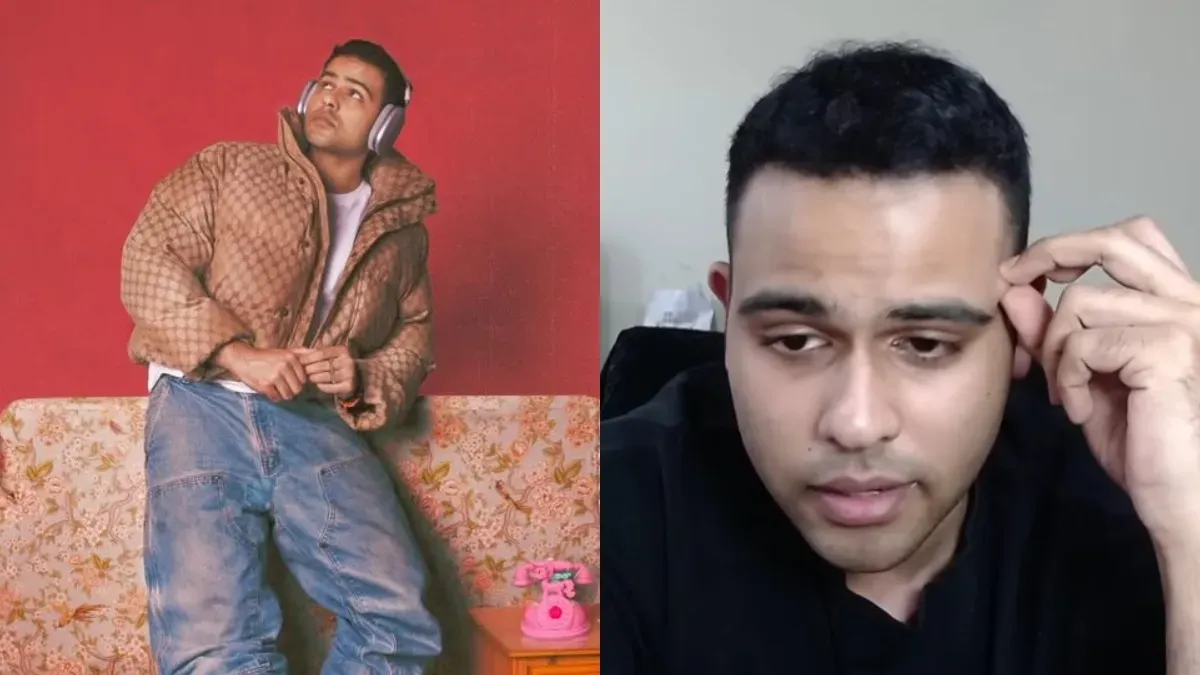
The digital age has turned every live performance into a potential live broadcast, every spontaneous moment into a viral clip. And few incidents underscore this new reality quite as starkly as the recent Arpit Bala controversy. A single, fleeting action at a Hyderabad concert has exploded online, sparking a furious debate about artist accountability, fan interaction, and the unforgiving gaze of social media. This isn’t just about a singer and a fan; it’s a stark reflection of the shifting sands beneath the feet of the entire entertainment industry.
The Controversy Unfolds: What Exactly Happened?
It began with a video. Short. Grainy. Ubiquitous. The clip, filmed during Arpit Bala’s performance in Hyderabad, shows the singer mid-set. In a moment that’s now been dissected frame-by-frame across countless platforms, he appears to spit in the general direction of a fan in the front row. The reaction was immediate, visceral. The video spread like wildfire, fueling outrage that transcended mere disapproval, quickly escalating into accusations of disrespect, elitism, and a fundamental disregard for his audience.
Fans, or rather, former fans, were quick to condemn. Hashtags trended. Memes proliferated. The court of public opinion, swift and unforgiving, had convened. While context is often the first casualty of virality, the visual evidence, to many, seemed damning enough. This wasn’t a staged theatrical moment; it looked like a direct, unsanitary, and frankly, appalling interaction.
Arpit Bala’s Defense: ‘It’s a Bit Unfair…’
In the aftermath of the digital firestorm, Arpit Bala himself broke his silence, offering an explanation he hoped would douse the flames. His response? “It’s a bit unfair…” According to Bala, the incident was a gross misunderstanding, a moment taken entirely out of context. He claims he was dealing with an issue, perhaps clearing his throat, or even reacting to something else entirely, and the action was inadvertently directed towards the crowd, rather than deliberately aimed at an individual.
He expressed regret for the perception, for the offense caused, but implicitly maintained his innocence of malice. He suggested the clip did not tell the full story, that the intent was far from what was portrayed. For some, his explanation offered a shred of doubt, a pause for consideration. For many others, however, it felt like an inadequate attempt to deflect from what they saw as clear evidence of misconduct. In the hyper-sensitive arena of modern celebrity, an explanation, even a sincere one, often struggles to compete with the indelible image of a viral video.
The Big Picture: Why This Matters Beyond a Single Incident
Let’s be brutally honest: this isn’t just about Arpit Bala or a single unfortunate incident. This controversy is a seismic tremor in the ongoing, often volatile, evolution of live entertainment in the age of omnipresent cameras. We are witnessing a fundamental shift in the artist-fan dynamic, one where every single interaction is instantaneously documented, broadcast, and judged by a global jury.
Historically, rockstars and performers have always pushed boundaries. There was a raw, rebellious energy that sometimes bordered on the outrageous. Spitting, throwing objects, even confronting audience members—these were, in certain contexts, part of the theatre, part of the mystique. But that was a different era, before smartphones rendered every single moment immutable, before social media turned every concert-goer into a potential investigative journalist. Today, that spontaneous, unfiltered energy is increasingly being stifled by the threat of instant cancellation.
The industry faces a dilemma: How do you maintain the authenticity and visceral thrill of a live performance when artists are under constant, unforgiving scrutiny? The pressure on these performers is immense. They are expected to deliver chart-topping hits, manage intricate production schedules, and present a flawless public persona—all while navigating the intense, often chaotic energy of a live crowd. This incident highlights the razor-thin margin for error. A momentary lapse, a misjudgment, or even a genuine misunderstanding can snowball into a career-defining crisis. It’s a similar pressure cooker to the film industry, where public expectations for content and conduct are sky-high, as evidenced by the intense scrutiny around projects like Ranbir Kapoor’s portrayal of Lord Ram in ‘Ramayana’, where every detail is weighed.
Moreover, this situation exposes the double-edged sword of fan engagement. While artists thrive on audience connection, the boundaries are blurrier than ever. When does passionate interaction become harassment? When does an artist’s spontaneous reaction become an unforgivable offense? The answer, increasingly, lies not just in intent, but in perception, amplified by algorithms. This constant state of vigilance impacts not just indie artists but also major productions that strive for universal appeal and success, much like how a film’s journey towards a massive box office, similar to ‘Dhurandhar: The Revenge’ inching close to Rs 1,400 cr, depends heavily on maintaining public goodwill.
For Arpit Bala, this incident is a stark lesson in the power of viral media. For the wider music industry, it’s a wake-up call. We are in an era where professionalism, hygiene, and impeccable crowd management are no longer just good practices, they are existential necessities. The raw energy of live performance is being forced to adapt to a world where every single breath can be captured, uploaded, and weaponized. The question isn’t *if* another such controversy will erupt, but *when* and how the industry will learn to navigate these treacherous new waters without drowning out the very essence of live music itself.



Leave a Comment