Naam Shabana Turns 9: How Taapsee Pannu Quietly Rewrote Bollywood’s Spy Playbook
Naam Shabana Turns 9: How Taapsee Pannu Quietly Rewrote Bollywood’s Spy Playbook
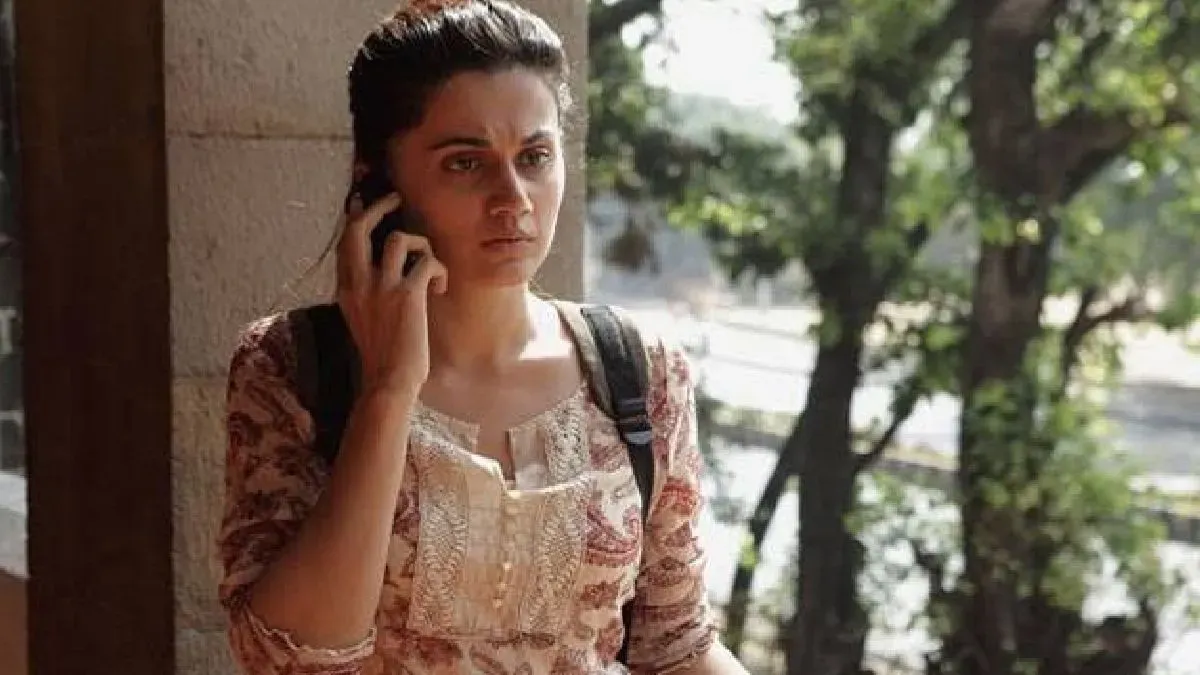
Nine years. It feels like yesterday, yet the seismic shifts it caused are still reverberating. When Naam Shabana landed in 2017, it wasn’t just another prequel; it was a gauntlet thrown. A bold, unapologetic declaration that a woman, Taapsee Pannu, could not only lead a spy thriller but could do so with an understated grit that refused the usual Bollywood tropes of hyper-sexualization or tokenistic strength.
Let’s be clear: before Shabana Khan, female spies in Hindi cinema were largely relegated to supporting roles, romantic interests, or highly stylized caricatures. They were often eye candy with an occasional kick. Naam Shabana ripped that playbook apart. It offered an origin story rooted in trauma, training, and raw determination, showcasing a journey from vulnerability to lethal precision. Pannu wasn’t just performing action; she was embodying the struggle, the fear, and the sheer will to survive and retaliate. This wasn’t about glamour; it was about survival.
The film, a spin-off from the successful Baby, took a character initially seen in a brief yet impactful cameo and fleshed her out, giving audiences a reason to invest in her motivations. It was a calculated risk by director Shivam Nair and producer Neeraj Pandey, a bet on character depth over established star power in a genre notoriously dominated by male leads.
Beyond the Punch: Crafting a New Heroine
The brilliance of Naam Shabana wasn’t just in its action sequences, though they were competently executed and refreshingly grounded. It was in the narrative choice to focus on the arduous journey of becoming an operative. We saw Shabana train, falter, and push through, not as a superhero, but as a determined individual. This grounded approach made her accessible, relatable, and ultimately, more heroic than any superhuman feat could have. It whispered, rather than shouted, that capability isn’t gendered.
The physical and mental grind of preparing for such demanding roles is often immense, requiring actors to push their limits in ways that can be both exhilarating and exhausting. Crafting a convincing spy like Shabana demanded not just agility but a mental fortitude to push boundaries, a dedication sometimes juxtaposed with the very human anxieties even established action heroes like Tiger Shroff candidly discuss regarding their own challenges. Taapsee Pannu’s commitment showcased that female leads were ready for this rigor, and audiences were ready to watch them.
While the film’s box office numbers might not have broken records, its impact on the cultural consciousness was undeniable. It proved that a female-led espionage thriller could stand on its own two feet, inspiring a slow but steady stream of similar projects, and giving a much-needed jolt to the notion of what a ‘hero’ could look like in Hindi cinema.
The Big Picture: Why It Matters
Don’t kid yourself. Naam Shabana wasn’t just a standalone movie; it was a crucial, albeit quiet, pivot point. Before 2017, a female action lead in mainstream Bollywood was either a trope or an exception, rarely the rule. This film, by dedicating an entire narrative to the origin of a female spy, validated the idea that women could carry complex, high-stakes narratives without needing a male savior or a romantic subplot to justify their existence. It wasn’t about shattering glass ceilings with a sledgehammer; it was about meticulously chiseling away at the foundations of entrenched sexism in genre filmmaking.
The industry, notoriously slow to adapt, began to see a glimmer of potential. It wasn’t an overnight revolution, far from it. We still have an abundance of male-centric spy universes. But Shivam Nair and Neeraj Pandey, with Taapsee Pannu as their spearhead, showed producers and directors that audiences were hungry for something different. This film wasn’t about making women ‘strong like men’; it was about showcasing strength, resilience, and tactical prowess *as a woman*. It carved a legitimate space for female-driven action-thrillers, subtly influencing the greenlighting of projects that might have been deemed too ‘risky’ just a few years prior.
The ripple effect is evident in Pannu’s subsequent career choices, where she consistently gravitates towards roles of substance and agency. Naam Shabana gave her, and by extension, other actresses, a blueprint. It challenged the default. It didn’t just entertain; it educated the industry on what was possible, provided they were brave enough to truly see it. And for that, nine years on, its legacy continues to resonate far beyond its initial theatrical run.

Leave a Comment