Alka Yagnik is ‘still suffering’ from rare hearing disorder
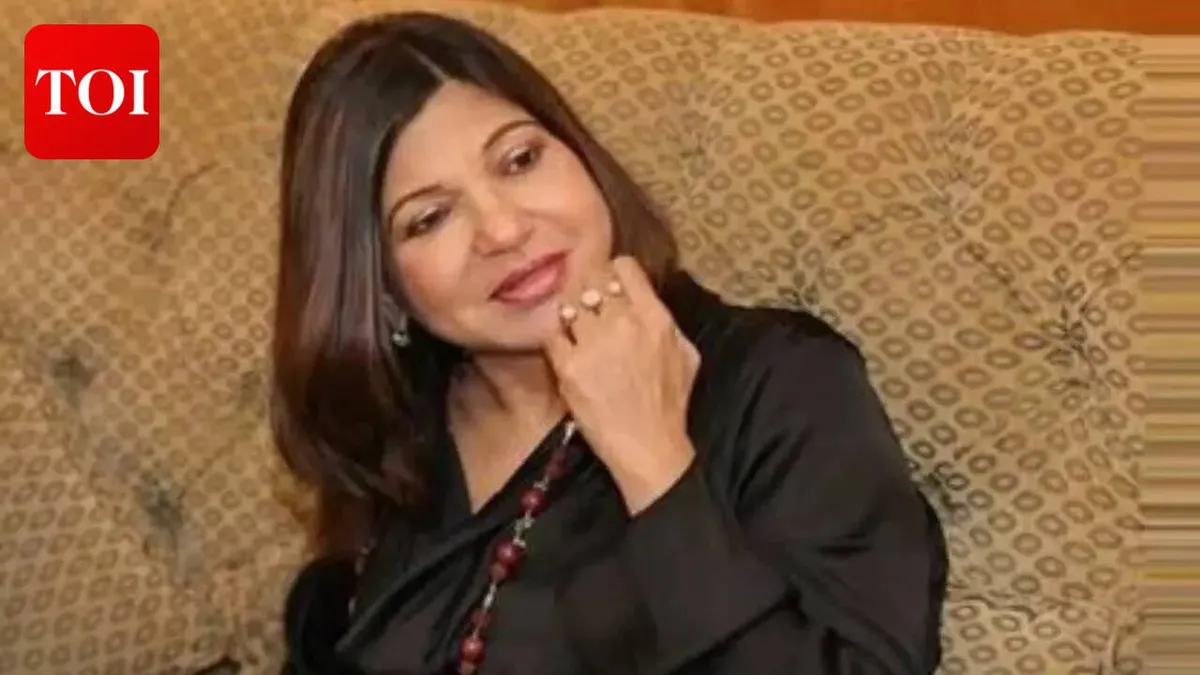
Alka Yagnik: Still Suffering, Still a Legend

Yagnik, largely withdrawn from the public gaze since her revelation, momentarily stepped back into the limelight. Not for a concert, mind you, but to accept one of India’s highest civilian honours. The Padma Bhushan, bestowed upon her this year, serves as a poignant reminder of her colossal contribution to music, even as her current struggle keeps her away from the stage she once dominated.
Why It Matters: The Silent Scourge
This isn’t just a celebrity health update; it’s a seismic tremor through the Indian Playback Singing industry and a stark reminder of the fragility of even the most formidable talents. Alka Yagnik isn’t merely a singer; she is a cornerstone. Her voice, alongside a select few, crafted the sonic landscape of Hindi cinema for decades. To hear of her ongoing struggle with Sensory Neural Hearing Loss, a condition that directly impacts the very instrument of her art, is profoundly unsettling.
Imagine a painter losing their sight, or a dancer their mobility. This is the magnitude of Yagnik’s challenge. It forces us to confront the vulnerability of artists, particularly those whose gifts are so intrinsically tied to their physical faculties. While we celebrate new achievements, like BTS landing their seventh Billboard 200 No. 1 with ARIRANG, or marvel at actors like Arjun Rampal finding success with Dhurandhar 2, the enduring legends often face battles far more personal, far more devastating.
Her struggle also brings critical awareness to hearing health. Musicians, especially, are susceptible to noise-induced damage, a silent occupational hazard. Yagnik’s openness, despite the personal pain, might just be the catalyst needed for greater proactive measures within the industry. It prompts a sobering question: how many other voices, past and present, are battling similar invisible wars? Her resilience, even in suffering, remains an inspiration, but the underlying concern for her irreplaceable artistry lingers, a melancholic echo in the halls of Indian music.

Leave a Comment